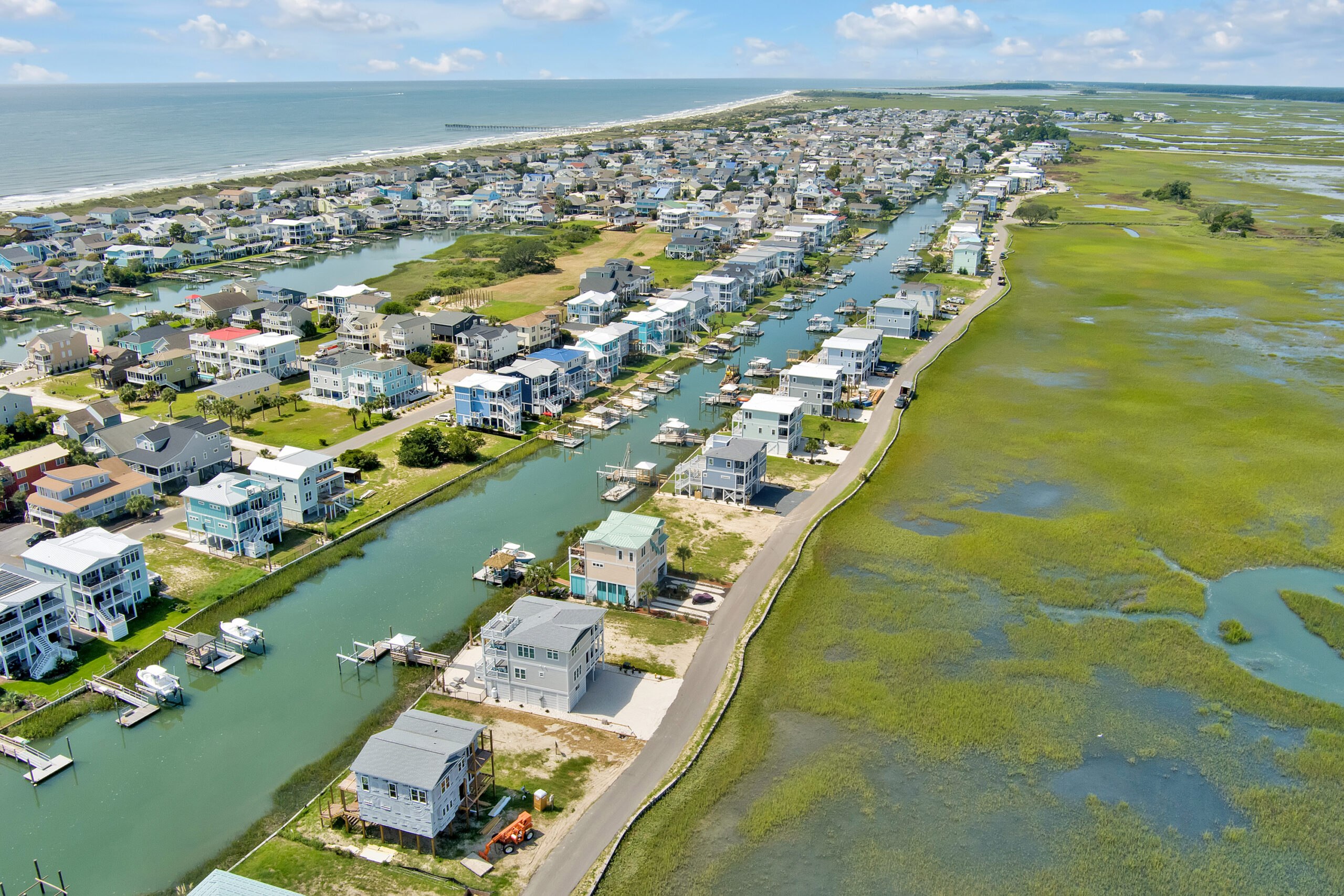

Buying your first home is exciting, but it's also completely normal to have a lot of questions.
How much should you have saved? When should you talk to a lender? What happens after you find a home you love? And when you’re buying near the North Carolina coast, are there additional things you should be thinking about?
The home-buying process has a lot of moving pieces, but you don’t have to understand everything before you begin. Knowing some of the basics—and knowing which professionals to turn to for specific questions—can make the process feel much more manageable.
If you’re considering buying your first home in Brunswick County, here are a few things worth knowing before you start your search.
You Don't Have to Have Everything Figured Out Before You Start
One of the biggest misconceptions about buying your first home is that you need to have the entire process figured out before contacting a real estate agent or lender.
It’s perfectly reasonable to begin by asking questions, learning about the process, exploring different areas, and getting a better understanding of what homeownership could look like for you.
An early conversation with a real estate professional can help you understand the real estate side of the process, while a qualified mortgage lender can answer questions about financing, qualification requirements, loan programs, and your individual financial circumstances.
You may discover you’re ready to begin sooner than expected or decide there are a few things you’d like to work on first. Either way, gathering information is a valuable first step.
Understand Your Budget Before Falling in Love With a Home
Scrolling through listings is usually the fun part. Understanding your potential budget isn’t quite as exciting, but it can make your eventual home search much more productive.
A mortgage pre-approval can give you a better understanding of your potential purchasing range before you begin seriously touring homes.
Keep in mind that a home’s purchase price isn’t the only expense associated with buying or owning a property. Depending on your situation and the property, there may also be a down payment, closing costs, property taxes, homeowners insurance, potential flood or wind coverage, HOA dues, maintenance expenses, and other costs to consider.
A qualified mortgage lender is the appropriate professional to discuss pre-approval, loan programs, interest rates, down-payment requirements, closing costs, and qualification details specific to your financial situation.
Your First Home Doesn't Have to Check Every Box
It's easy to create a long wish list before you start looking at homes.
Then you actually start touring them.
You may realize you’d rather have an extra bedroom than a larger yard, prefer a particular property feature more than you expected, or decide you’re comfortable considering a different location to find a home with the features you value most.
Before beginning your search, it can help to separate your priorities into the features you consider essential and those you’d simply enjoy having.
Your priorities may change as you see different homes, and that’s okay. Touring properties is often part of figuring out what matters most to you.
Get to Know the Area, Not Just the House
Brunswick County offers a wide range of locations and property types.
You may encounter single-family homes, townhomes, condominiums, new construction, homes in planned communities, properties closer to the beaches, and homes farther inland.
When comparing properties, consider more than the house itself. Location, HOA requirements, property features, proximity to places you regularly visit, and other practical considerations can all be part of determining whether a particular property meets your needs.
Rather than relying solely on online descriptions, take time to explore the areas you’re considering and evaluate each property based on the objective features and location factors that are important to you.

Coastal Homes Can Come With Additional Considerations
Buying your first home near the coast may introduce property considerations you haven’t encountered before.
Depending on the home, questions may come up about flood zones, wind and hail coverage, elevation, drainage, roof condition, exterior materials, moisture, or storm-resistant construction features.
You don’t need to become an expert in all of these areas yourself.
Your real estate professional can help you identify information related to the property and transaction, while specialized questions should be directed to the appropriate professionals. Insurance coverage and premiums should be discussed with a licensed insurance professional, while property-condition concerns should be evaluated by qualified inspectors or other appropriate professionals.
For a specific property, gathering this information during the appropriate stage of the transaction can help you make a more informed decision.
Don't Skip Your Due Diligence
Finding a home you love is exciting, but an accepted offer isn’t the end of the evaluation process.
Depending on the transaction, the period before closing may involve inspections, reviewing property information, obtaining insurance quotes, completing lender requirements, and evaluating other details related to the purchase.
This is the time to gather information and ask questions.
Your real estate agent can help you understand the transaction timeline and contractual process. Inspectors, lenders, insurance professionals, attorneys, and other qualified professionals can provide guidance within their respective areas of expertise.
The goal isn’t to find a “perfect” house. It’s to gather the information available to you so you can make your own informed decision about the property.
Expect More Than Just the Down Payment
First-time buyers sometimes focus so heavily on saving for a down payment that some of the other potential costs of purchasing a home come as a surprise.
Depending on the transaction and financing, buyers may encounter expenses related to inspections, appraisals, earnest money, due diligence, closing costs, insurance, and other parts of the purchase.
After closing, homeownership also comes with ongoing expenses beyond a monthly mortgage payment.
Because costs and requirements vary, your lender, closing attorney, insurance professional, and real estate agent can each help explain the portions of the transaction that fall within their expertise.
Understanding potential expenses earlier can make it easier to prepare financially before you begin making offers.
Don't Be Afraid to Ask Questions
When you’re buying a home for the first time, there will probably be terms you’ve never heard before.
Due diligence. Earnest money. Appraisal. Contingencies. Underwriting. Closing disclosures.
You’re not expected to automatically know what all of it means.
Ask questions whenever something isn’t clear. Part of working with experienced professionals is having people who can explain their role in the process and direct you to the appropriate resource when a question falls outside their expertise.
There are no bonus points for pretending you understand something when you don’t.
Build the Right Team Around You
Buying a home involves several professionals, and each has a different role.
Your real estate agent guides you through the real estate transaction and local market. Your mortgage lender handles financing and loan-related questions. A home inspector evaluates the property’s condition within the scope of the inspection. An insurance professional can explain available coverage and costs, while a closing attorney handles applicable legal aspects of the transaction.
Other specialists may become involved depending on the individual property.
Having the appropriate professionals involved means you don’t have to rely on one person for answers outside their area of expertise.
Download Our First-Time Homebuyer's Guide
We’ve created a complimentary First-Time Homebuyer’s Guide to give you a more detailed look at the journey from preparing to buy through closing day.
Inside, we cover the home-buying process, common first-time buyer misconceptions, financing basics, inspections and appraisals, costs to consider, and some of the additional considerations that can come with buying a home along the North Carolina coast.
Whether homeownership is something you’re actively pursuing or you’re simply starting to explore your options, the guide is designed to give you a helpful place to begin.
You don’t need to be ready to make an offer tomorrow to start learning about the home-buying process.
Maybe you’re trying to determine whether buying could be an option in the next year. Maybe you’ve already spoken with a lender and you’re ready to start touring properties. Or maybe you’re somewhere in between.
At Island Life Real Estate, we enjoy helping first-time buyers understand the real estate side of the process without making it feel like they need to have everything figured out from day one.
Our role is to provide local real estate knowledge, help you explore available properties, explain the transaction process, and connect you with the appropriate professionals when you need guidance outside the scope of real estate brokerage.