
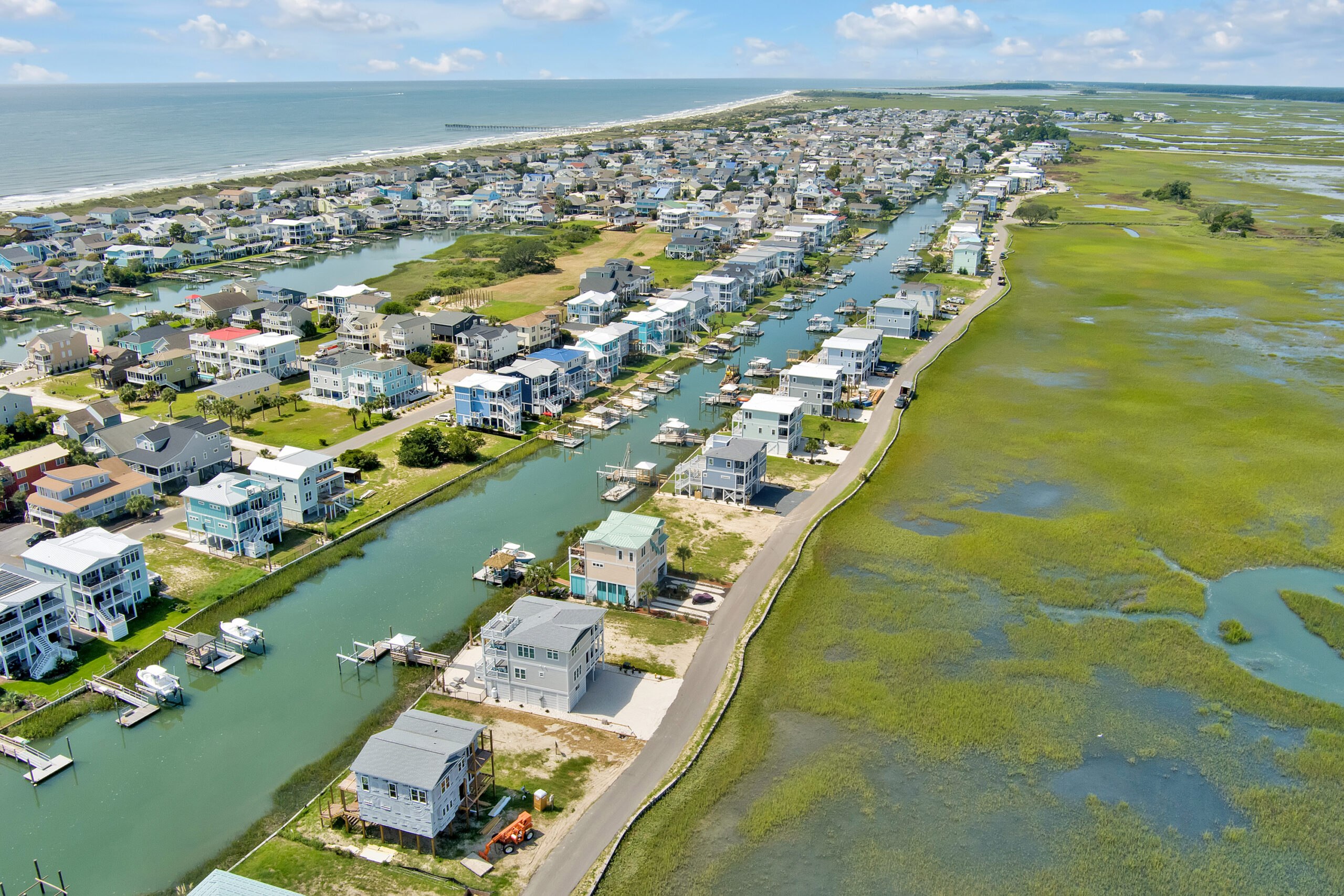
Maybe you'd love to have a home at the beach, but you're not quite ready to make the move full time.
For some buyers, purchasing a coastal property they can enjoy personally while also considering rental use when they’re away can offer another way to own a home near the North Carolina coast.
Brunswick County offers a wide variety of properties, from beach cottages and condos to waterfront homes and properties just a short drive from the ocean. But buying a home you may rent involves different considerations than choosing a property solely as a primary residence.
Before beginning your search, it helps to think beyond how much you love the house during a showing. Location, property features, rental rules, ongoing expenses, maintenance, insurance, and how you plan to use the home can all play a role.
Here’s what to consider as you explore a coastal property that may serve as both a place for you to enjoy and a rental when you’re away.
Start With How You Want to Use the Property
Before looking at potential rental income or occupancy, start with a simpler question: How do you want to use the home?
Maybe you picture spending summer weekends at the beach and renting it during other parts of the year. Perhaps you’d like a place to visit now with the possibility of making Brunswick County your primary home later. Or you may be exploring a property primarily for rental purposes.
Your plans can influence the types of properties you consider.
If personal use is important, think about the features you would want when you’re staying there. If rental use is part of the plan, you’ll also want to research whether the property can legally and practically be used that way.
There isn’t one property type or location that’s right for every buyer. The goal is to understand your priorities before you begin comparing homes.
Look Closely at Location
Location matters with any real estate purchase, but there may be additional questions to consider when rental use is part of your plan.
Rather than assuming that a property must be directly on the ocean, look at its individual characteristics. Distance to public beach access, available parking, water access, nearby amenities, property access, and the home’s specific setting may all be relevant considerations.
A property farther from the beach may offer different features than an oceanfront home. A condominium may provide a different ownership experience from a single-family beach house. A waterfront home may introduce considerations related to docks, bulkheads, water depth, or maintenance.
Compare properties based on their actual features rather than relying on broad assumptions about a particular location.
Verify That Rentals Are Allowed
This is one of the most important steps.
Never assume that because a property is located near the beach, it can automatically be used as a short-term or vacation rental.
Rental rules may be affected by municipal regulations, zoning, homeowners association or condominium restrictions, deed restrictions, and other requirements. Rules can also vary depending on the property’s specific jurisdiction.
Before purchasing a home with plans to rent it, buyers should verify the current rules that apply to the individual property and their intended use.
Your real estate professional can help you identify information to investigate during the transaction, while questions about zoning, ordinances, legal restrictions, or tax obligations should be confirmed with the appropriate municipality, association, attorney, tax professional, or other qualified resource.
Consider the Full Cost of Ownership
The purchase price is only one part of owning a coastal property.
Depending on the home, ongoing expenses may include property taxes, insurance, HOA or condominium dues, utilities, routine maintenance, repairs, property management, cleaning, landscaping, pest control, and other ownership or rental-related expenses.
Coastal properties can also have maintenance considerations associated with exposure to sun, wind, moisture, salt air, and storms.
Before purchasing a property for rental or investment purposes, consider speaking with the appropriate financial, tax, insurance, and property-management professionals to better understand potential expenses associated with your specific plans.
Island Life Real Estate can help you understand the real estate transaction and property information, but decisions regarding potential returns, tax treatment, insurance coverage, or investment strategy should be discussed with professionals qualified in those areas.

Don't Overlook Insurance
Insurance can be an especially important consideration when evaluating a coastal property.
Depending on the home and its location, coverage may involve homeowners insurance, wind and hail coverage, flood insurance, or coverage related to rental use.
A policy appropriate for a primary residence may not necessarily address the same circumstances as a property being used as a vacation rental.
Before making financial assumptions about a property, speak directly with a licensed insurance professional. They can review the individual home, its intended use, available coverage, deductibles, and estimated premiums.
Getting property-specific insurance information during the appropriate stage of the transaction can help you better understand potential ownership costs.
Think About Maintenance From a Distance
Owning a beach home is one thing. Owning one when your primary residence is several hours—or several states—away can be another.
Consider how the property will be maintained when you’re not there.
If you plan to use professional property management, research the services provided and associated costs. If you plan to handle more of the management yourself, think about how cleaning, maintenance, guest needs, storm preparation, and unexpected repairs would be addressed while you’re away.
The physical property matters here, too. Exterior materials, landscaping, decks, pools, docks, elevators, HVAC systems, and other features can each bring their own maintenance considerations.
A property with more amenities may offer features you value, but it may also require additional upkeep.
Pay Attention to Parking, Storage and Practical Features
Sometimes the less glamorous features of a property deserve just as much attention as the view.
Parking configuration, storage space, laundry facilities, outdoor showers, covered outdoor areas, access points, and the overall layout can affect how the property functions during your own stays and any periods of rental use.
If the home is being sold furnished, make sure you understand which items are included with the sale rather than assuming everything shown in the listing photographs will convey.
For condominiums and properties within associations, reviewing applicable governing documents can also help you understand responsibilities for common areas, exterior maintenance, amenities, and other property-related matters.
Look Beyond the Listing Photos
A coastal home can photograph beautifully and still have important details that deserve a closer look.
When you’re seriously considering a property, use the due diligence process to gather information about its condition.
Depending on the home, that might include the roof, HVAC system, moisture concerns, windows and doors, decks, exterior materials, drainage, docks, bulkheads, or other components.
Your real estate professional can help guide you through the transaction process, while qualified inspectors, contractors, engineers, or other appropriate specialists can evaluate property-condition questions within their areas of expertise.
Be Careful With Rental Income Projections
Potential rental income can certainly be part of the information you review, but it shouldn’t be treated as a promise of future performance.
Rental results can change based on many factors, including the property, rental rates, availability, operating expenses, management, market conditions, regulations, and how frequently an owner chooses to use the home personally.
If rental history is available for a particular property, it can provide historical context. Buyers considering a property primarily as an investment should conduct their own due diligence and consult qualified financial and tax professionals when evaluating potential income, expenses, and tax implications.
A real estate agent can provide property and market information but should not replace professional financial, accounting, tax, or legal advice.
Consider Your Long-Term Plans
One of the reasons buyers may consider a coastal rental property is flexibility.
You might purchase a home to enjoy periodically now and have different plans for it later. Because circumstances can change, it’s worth considering how the property itself works for your goals—not simply how it might perform as a rental today.
Think about the home’s location, layout, maintenance requirements, ownership costs, and features independently of any projected rental income.
A property should make sense based on the factors that are important to you and the information available at the time of your purchase.
Buying a Coastal Property in Brunswick County
Purchasing a home that you may use personally and rent while you’re away comes with plenty of questions, and that’s okay.
You don’t need to know everything before you begin looking. What matters is taking the time to understand the individual property, verify how it can be used, review the information available to you, and involve the appropriate professionals along the way.
At Island Life Real Estate, we’re here to help with the real estate side of that process. We can help you explore properties throughout Brunswick County, understand local market information, identify property-specific considerations, and know which questions may need to be directed to lenders, insurance professionals, attorneys, tax professionals, property managers, inspectors, or local authorities.
Maybe you’re looking for a beach home to enjoy a few weeks at a time. Maybe you’re considering rental use while you’re away. Or maybe Brunswick County is somewhere you’d eventually like to call home full time.
Whatever your plans look like, the search can start with simply getting to know the properties and possibilities along the North Carolina coast.