
Finding a home you love is one of the most exciting parts of the buying process.
You’ve explored the listings, toured properties, and finally found a place that feels right. But before you get to the closing table, there’s an important step that deserves your attention: the home inspection.
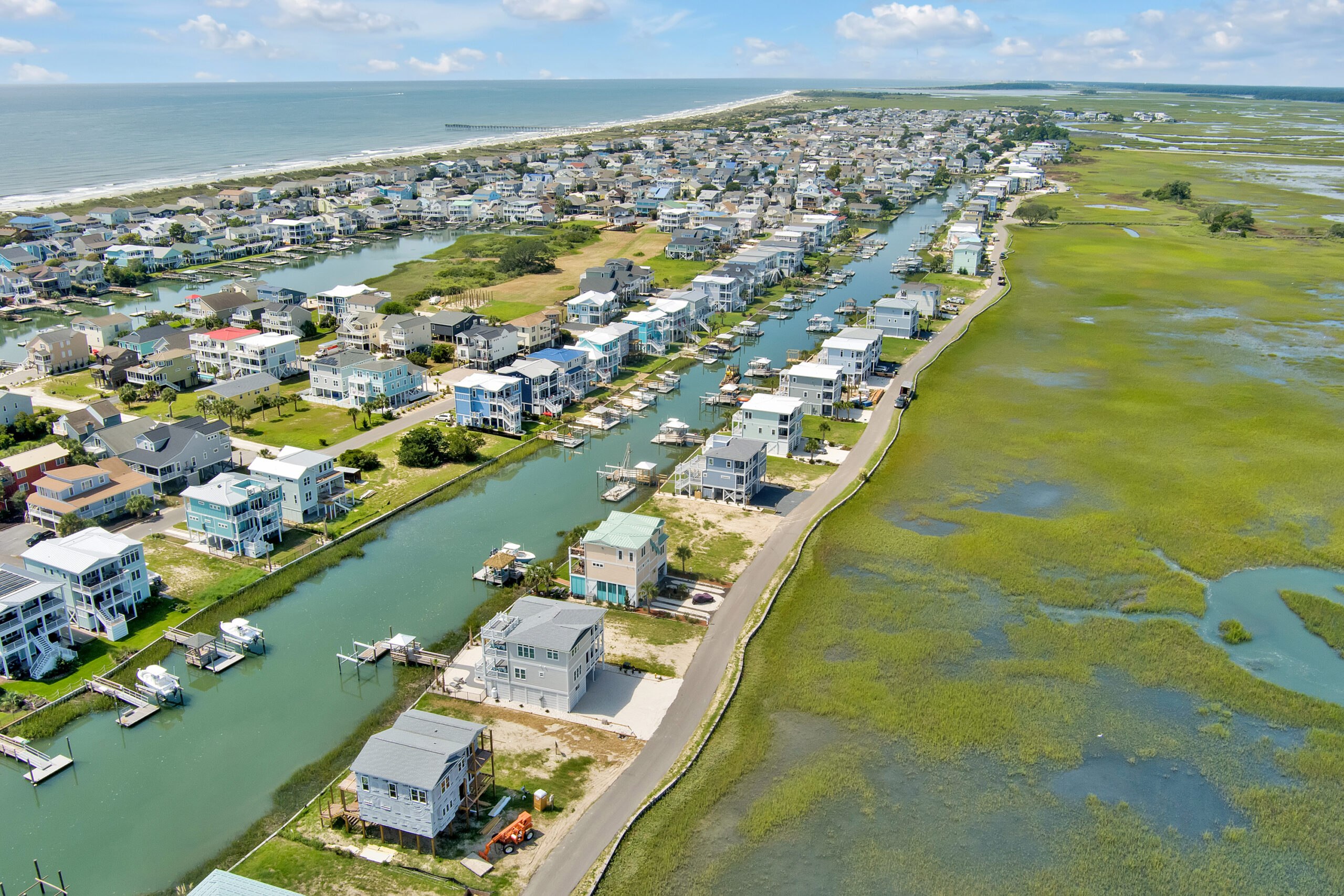
Whether you’re purchasing a beach cottage on Oak Island, a home in Southport, a condominium, or a property farther inland in Brunswick County, a home inspection can provide valuable information about the condition of the property you’re considering.
And when you’re buying along the North Carolina coast, there may be additional factors worth evaluating, from moisture and exterior materials to roofing and storm-related wear.
A home inspection isn’t about finding a perfect house. It’s about understanding the property you’re purchasing and having the information you need to make informed decisions before closing.
What Is a Home Inspection?
A home inspection is a visual evaluation of a property’s accessible systems and components, performed by a qualified home inspector within the scope of the inspection.
Depending on the property and the inspection agreement, this may include the roof, foundation, structural components, plumbing, electrical systems, heating and cooling equipment, attic, crawl space, windows, doors, and other accessible areas.
The purpose is to identify and document observed conditions, potential concerns, and areas that may need further evaluation.
It’s important to understand that a home inspection isn’t a guarantee that every issue will be discovered. Some conditions may be concealed, inaccessible, or outside the scope of a standard inspection.
A licensed home inspector can explain exactly what their inspection includes, what it doesn’t cover, and whether additional specialized evaluations may be appropriate for the property.
Why Home Inspections Matter
Even a home that looks beautifully maintained can have issues that aren't immediately noticeable during a showing.
Fresh paint, updated flooring, attractive finishes, and thoughtfully staged rooms can make a wonderful first impression, but they don’t necessarily tell you everything about the condition of the home’s systems and structural components.
A home inspection provides another opportunity to evaluate the property beyond its appearance.
The findings may help you better understand existing maintenance needs, identify areas that deserve additional attention, and prepare for potential responsibilities associated with owning the home.
For buyers, having this information before closing can be an important part of evaluating the overall purchase.
Coastal Homes Have Their Own Considerations
Living near the North Carolina coast comes with a unique environment, and homes in Brunswick County can experience conditions that deserve additional attention.
Salt air, humidity, heavy rainfall, strong winds, and seasonal storms can all contribute to wear on building materials and exterior components over time.
Depending on the property, inspectors may identify concerns involving roof condition, flashing, windows, doors, exterior siding, decks, drainage, moisture intrusion, or other areas exposed to coastal weather.
Homes built on pilings, properties with crawl spaces, and waterfront homes may also have features that warrant specialized evaluation.
That doesn’t mean a coastal home will necessarily have problems. It simply means understanding the property’s construction, maintenance history, and current condition can be especially helpful.
If questions arise about a particular component, your home inspector can recommend whether further evaluation by an appropriately qualified contractor, engineer, or other specialist may be needed.
Don't Overlook Moisture and Water Intrusion
Water-related concerns are worth paying attention to when purchasing a home, particularly in a coastal environment.
Moisture can enter a property through several areas, including roofing, windows, exterior openings, plumbing, and drainage systems. Depending on the circumstances, prolonged moisture exposure may contribute to damage or deterioration.
During a home inspection, an inspector may observe visible signs of water intrusion, staining, elevated moisture readings where tested, or conditions that warrant further investigation.
However, a standard home inspection doesn’t necessarily include comprehensive mold testing, invasive moisture investigations, or evaluations of every concealed area.
If potential moisture concerns are identified, a qualified specialist can help determine whether additional testing or evaluation is appropriate.
New Construction Homes Can Benefit from Inspections, Too
It's easy to assume that a newly built home won't need an inspection.
After all, everything is new.
But new construction can still have installation issues, incomplete items, or conditions that deserve attention before closing.
A qualified inspector can evaluate accessible components within the scope of the inspection and document observed concerns. Depending on the construction stage and builder requirements, buyers may also have opportunities for inspections at different points in the building process.
If you’re purchasing new construction, discuss inspection opportunities and applicable timelines with your real estate professional, builder, and inspector.
An inspection can provide additional information even when a home has been newly completed.
What Happens if the Inspection Finds Something?
One of the most common concerns buyers have is what happens when an inspection report identifies issues.
The reality is that inspection reports often contain observations or recommendations, even for well-maintained homes.
Some findings may involve routine maintenance, while others may warrant further evaluation or more substantial repairs.
What happens next depends on the purchase contract, the nature of the findings, the timing of the transaction, and the decisions made by the parties involved.
Your real estate professional can help you understand the contractual process and discuss available options within the terms of your agreement. For questions about repair costs, safety, structural condition, or specialized systems, consult the appropriate qualified professional.
An inspection does not automatically mean a seller is required to complete repairs, and buyers should not assume that every item identified in a report will be addressed before closing.
The important thing is to review the findings carefully and understand your options before applicable deadlines.
Timing Matters During Due Diligence
In North Carolina, the due diligence period is an important part of many residential real estate transactions.
Depending on the terms of your purchase agreement, this period may provide an opportunity to conduct inspections, review property information, obtain insurance quotes, and complete other evaluations before deciding how to proceed.
Because inspection scheduling, additional evaluations, and repair discussions can take time, it’s important to understand the deadlines established in your contract.
Your real estate professional can help you keep track of transaction timelines, while your closing attorney can address legal questions about contractual rights and obligations.
Waiting until the last minute to schedule an inspection may leave less time to review findings or arrange follow-up evaluations.
A Home Inspection Is Only One Part of the Bigger Picture
While a general home inspection is valuable, it doesn't necessarily cover every aspect of a property.
Depending on the home, additional evaluations may be worth considering for items such as pest activity, septic systems, wells, pools, docks, bulkheads, elevators, or other specialized features.
Coastal buyers may also want to review available flood zone information, insurance considerations, permits, surveys, and association documents when applicable.
These are separate from the general home inspection, and different professionals may be needed to answer questions in each area.
For insurance requirements and coverage, consult a licensed insurance professional. Questions about financing should be directed to a qualified mortgage lender, while legal matters should be discussed with a North Carolina real estate attorney.
Understanding the Home Beyond the Inspection Report
A home inspection report is a useful document, but understanding what the findings mean is just as important.
Take time to review the report, ask your inspector questions, and follow up on recommendations that need clarification.
If a particular system or component requires additional evaluation, consider obtaining that information from the appropriate specialist before making decisions about the property.
It’s also helpful to remember that owning a home comes with ongoing maintenance. An inspection provides information about observed conditions at a particular point in time, not a guarantee of future performance.
The goal is to approach homeownership with a clearer understanding of the property and the responsibilities that may come with it.
Buying a Home in Brunswick County?
At Island Life Real Estate, we believe informed decisions begin with asking the right questions and having the appropriate professionals involved.
Our role is to help you navigate the real estate transaction, understand local market and property considerations, and stay informed throughout the buying process. When questions about a home’s condition arise, we encourage buyers to rely on licensed home inspectors and other qualified specialists for professional evaluations.
From Oak Island and Southport to St. James, Leland, Holden Beach, Ocean Isle Beach, Sunset Beach, and surrounding Brunswick County communities, we’re here to help you explore your options and understand the steps involved in purchasing a home along the North Carolina coast.
A home inspection is just one of the many steps between finding a property and receiving the keys.
Our complimentary First-Time Homebuyer’s Guide provides a closer look at the home-buying journey, including preparing for your search, understanding the transaction process, and knowing what to expect before closing.
Download Our First-Time Homebuyer’s Guide to learn more about purchasing a home in Brunswick County.