Canal Or Oceanfront On Sunset Beach? How To Decide
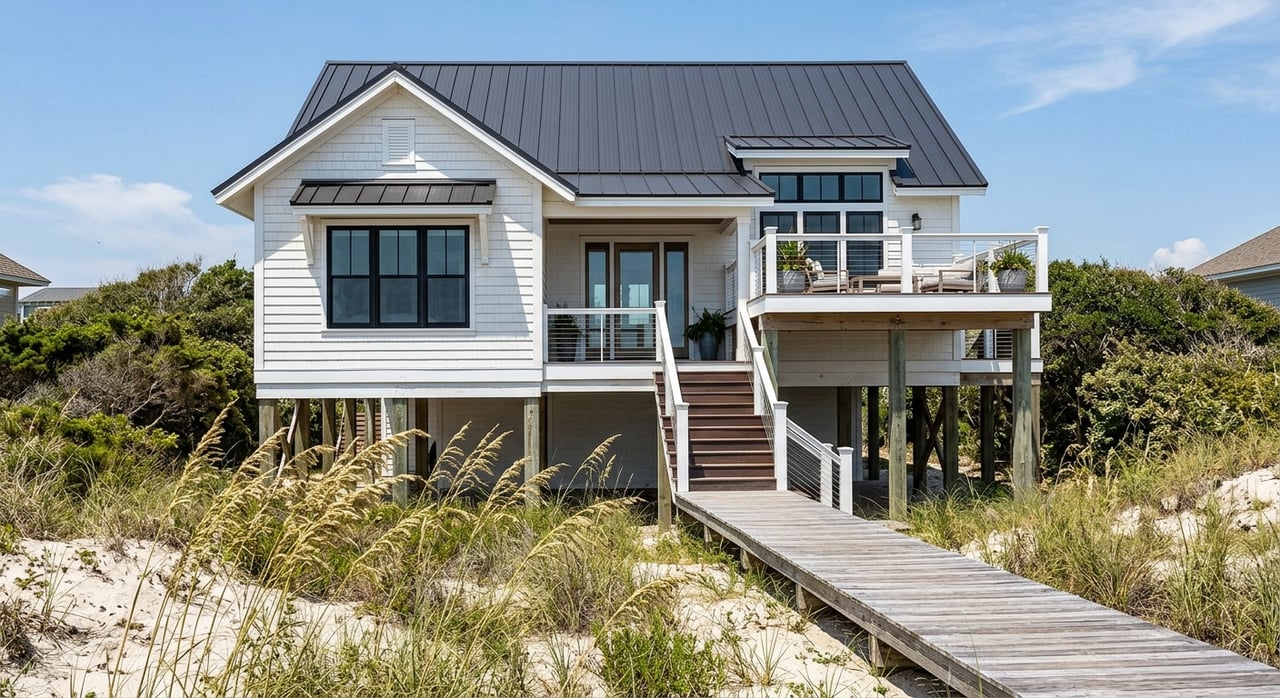
Trying to choose between a canal-front home and an oceanfront home on Sunset Beach? It sounds simple until you picture your actual day-to-day life. If you are torn between waking up steps from the sand or having your boat at the dock, this decision comes down to more than views alone. You need to know how each setting feels, what ownership really involves, and which one fits the way you want to live. Let’s dive in.
On Sunset Beach, canal-front and oceanfront homes offer two very different versions of coastal living. Both put you close to the water, but they do not solve the same problem.
Oceanfront homes are built around beach access, open views, and a front-row seat to the shoreline. Canal-front homes are built around boating, docks, and a more sheltered water setting that connects into a larger network of local waterways.
That local setup is a big part of what makes Sunset Beach unique. The town has 33 public beach access sites along about 2.3 miles of oceanfront, while the east-end canal system connects South Jinks Creek, the Bay Area, and the Feeder Channel to the Intracoastal Waterway, Tubbs Inlet, and the Atlantic Ocean.
If your dream is to step outside and head straight to the sand, oceanfront is the clearest fit. This is the classic beach-house experience many buyers picture first.
You get immediate beach access, wide water views, and a daily rhythm centered on the shoreline. For many second-home buyers and lifestyle relocators, that easy connection to the beach is the whole point.
Sunset Beach’s oceanfront is part of an active public beach environment. The town maintains designated access points, including ramps at the Gazebo and at 1st, 3rd, and 40th Streets.
That means even if you own oceanfront, you are still living along a well-used public shoreline network. The setting can feel lively and connected, not secluded from beach activity.
The town’s public beach rules shape everyday use. Shade placement is limited, dogs must be leashed when off property, and the beach is patrolled during the day but does not have lifeguards.
Those details may sound small, but they matter when you picture how you will use the home with family, guests, or renters. Oceanfront living is beautiful, but it also comes with a shared public beach context.
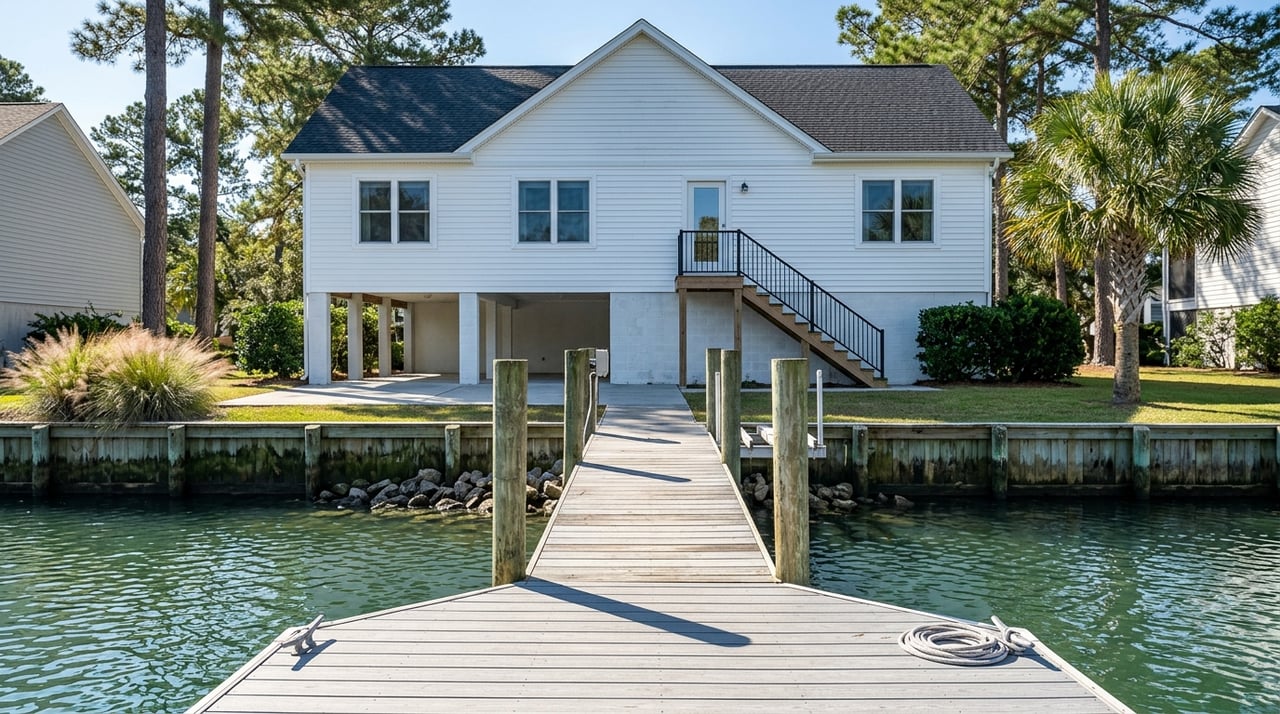
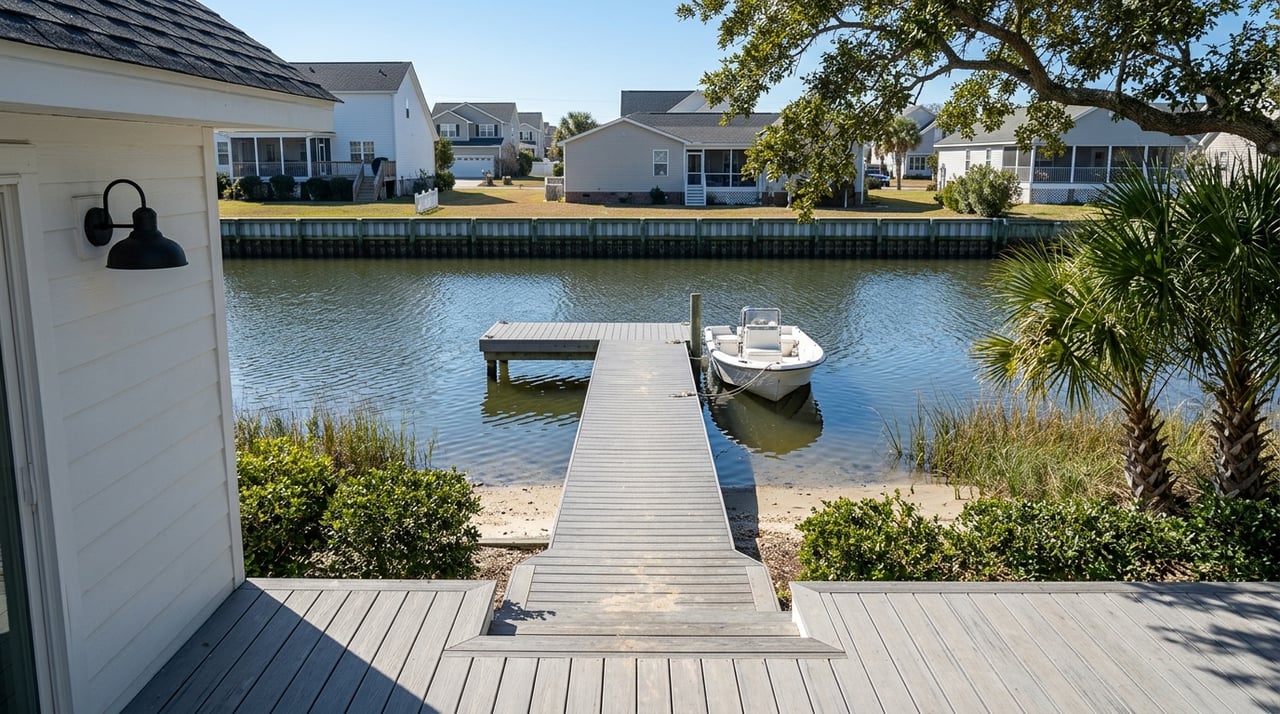
If your ideal coastal day starts with boating, kayaking, or spending time by the dock, canal-front may be the better match. This side of Sunset Beach offers a different kind of waterfront lifestyle.
The canal system on the east end ties into South Jinks Creek and connects out to the Intracoastal Waterway and ocean. That makes canal-front especially appealing if private water access matters more to you than stepping directly onto the beach.
Canal homes tend to feel more centered on the backyard water experience. Your focus may be the dock, the boat, the canal view, or simply a calmer stretch of water compared with the open beachfront.
This setting often appeals to buyers who want waterfront living without being right on the public strand. It is less about beach traffic and more about waterway access.
A helpful local detail is that the town’s planning materials identify no formally designated public access sites on the marsh side of the island. That does not mean canal-front property is legally private beyond the property lines, but it does suggest a lower-foot-traffic feel than the oceanfront side.
If you value a quieter day-to-day setting, this difference can matter just as much as price or square footage. Lifestyle fit is often clearer once you think about how much public activity you want around you.
Here is the simplest way to think about it: oceanfront is beach-first, canal-front is boat-first.
If your happiest moments involve sunrise walks, direct sand access, and panoramic shoreline views, oceanfront usually wins. If you picture yourself launching a kayak, checking your dock, or heading out through the waterway system, canal-front often makes more sense.
The lifestyle question is only half the decision. The other half is understanding what ownership may ask of you over time.
Oceanfront property in North Carolina comes with stricter shoreline rules. The North Carolina Department of Environmental Quality says oceanfront setback factors are based on long-term shoreline-change rates and are measured from the first line of stable natural vegetation.
That matters because rebuilding is not guaranteed if a storm-damaged property cannot meet current setback rules. In other words, oceanfront ownership can carry more regulatory exposure than other waterfront locations.
In North Carolina ocean hazard areas, buildings are required to be on pilings with specific sizing and penetration standards. That helps explain why many oceanfront homes have a more elevated, vertical design.
For you as a buyer, this means the home’s structure, siting, and compliance history deserve close attention. Oceanfront can be incredible, but it also asks you to think long term about erosion, storm recovery, and coastal rules.
Canal-front homes avoid oceanfront setback rules, but they come with their own maintenance picture. On this side, the biggest issues often involve docks, bulkheads, channel depth, and permitting.
North Carolina’s coastal permit framework covers things like bulkheads, riprap, boat ramps, piers, docking facilities, and excavation within existing canals or channels. That makes the water-access side of the property just as important as the house itself.
The Sunset Beach navigation project notes that sediment buildup in canal and feeder-channel systems is driven by stormwater runoff and minimal tidal flushing. That is why dredging and channel maintenance matter in canal neighborhoods.
For you, the takeaway is simple: canal-front living often trades ocean erosion concerns for dock, bulkhead, and channel considerations. It is still waterfront ownership, just with a different set of questions.
One of the biggest mistakes buyers make is assuming oceanfront automatically means higher concern and canal-front automatically means easier ownership. In reality, flood risk needs to be checked property by property.
Brunswick County directs buyers to review FEMA and county flood maps by address. Flood insurance can also be required when a home is in a Special Flood Hazard Area and financed with a government-backed mortgage.
Before you choose one location over the other, review:
This is where a lot-by-lot review matters more than broad assumptions about canal versus oceanfront.
These two property types often look and function differently, even before you get into price or lot size.
Oceanfront homes in North Carolina’s ocean hazard areas are commonly elevated on pilings. That often creates a taller home profile with living space lifted above grade and outdoor areas oriented toward the beach side.
Canal-front homes are usually more focused on rear-water living. The dock, bulkhead, and boat access often become the functional center of the property.
If you want your main outdoor living to revolve around decks facing the Atlantic, oceanfront may feel more natural. If you want the backyard to function like your launch point for boating and paddle sports, canal-front may be a stronger fit.
This is one reason in-person touring matters so much on Sunset Beach. The photos may show water in both cases, but the experience of the property can be very different.
If you are still unsure, start with the lifestyle question before you start comparing finishes or furniture placement. Ask yourself what you want the home to do for you most days, not just on your favorite vacation day.
If both options appeal to you, let the specific property details break the tie. The smartest next step is to compare each home’s flood zone, elevation, dock or bulkhead condition, and likely insurance or permitting costs.
That is often where the clearer answer appears. Two beautiful waterfront homes can offer very different ownership experiences once you look past the view.
If you are shopping from out of town, this is especially important. A guided tour that compares canal-front and oceanfront homes side by side can help you quickly understand which setting truly fits your goals.
Whether you are looking for a second home, a full-time move, or a waterfront investment, the right choice on Sunset Beach usually comes down to matching the property with your version of coastal life. When you are ready to explore the difference in person, April Annas can help you narrow your options with local insight and a concierge-style approach.
Island Life Real Estate is invested and committed to helping each of its clients find their dream and discover all island life has to offer.