Best Coastal Materials for Ocean Isle Beach Homes
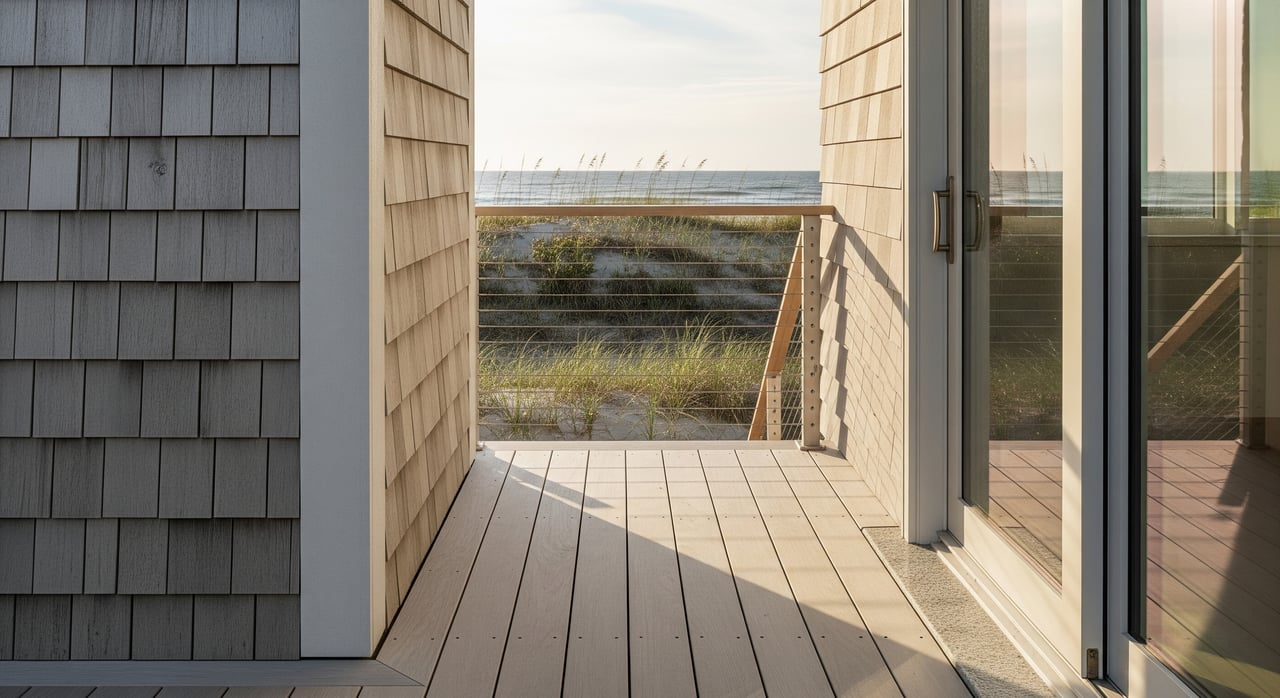
Salt air, sun, and sea breezes are why you love Ocean Isle Beach. They are also tough on homes. If you want a house that looks great and lasts, your material choices matter more here than they do inland. In this guide, you’ll learn which siding, roofing, decking, windows, doors, fasteners, and finishes stand up to salt, wind, moisture, and storm exposure on our barrier island. Let’s dive in.
Ocean Isle Beach is a barrier island with humid subtropical weather, frequent salt spray, and seasonal tropical storm risk. Salt, wind, and moisture together speed up corrosion and can cause rot and finish failure. Homes close to the shoreline often see more salt deposition and higher wind exposure during storms.
Your goals are simple: keep corrosion at bay, resist wind uplift, control moisture, maintain color and finish, and minimize maintenance. Choosing the right materials up front makes upkeep more manageable and helps your home perform when weather gets rough.
Fiber-cement is a top pick for Ocean Isle Beach. It resists rot and termites and does not absorb salt like wood can. You will need to paint it, so choose a high-quality exterior paint made for coastal exposure.
Plan to rinse salt off yearly and repaint every 8 to 15 years based on sun and wind exposure. With normal care, fiber-cement siding can last 30 years or more.
Cellular PVC and similar polymer claddings are rot-proof and highly resistant to moisture and salt. Many products come with built-in color, which reduces painting needs. Color can fade slowly over time, so follow the manufacturer’s care guide.
Installation detail is key. The material expands and contracts with temperature, so fasteners and joints must allow for movement. Expect a long service life with minimal maintenance.
Aluminum panels with marine-grade coatings can work well in modern designs. They shed water quickly and handle wind when properly attached. Watch for fastener choice and denting in exposed areas, and pick a top-tier coating to reduce chalking.
Use compatible, corrosion-resistant fasteners and flashing. Regular rinsing helps maintain the finish.
Natural wood siding can look beautiful, but in exposed coastal locations it requires frequent staining or painting and close inspection. If you choose wood, plan on stainless steel fasteners and a more active maintenance schedule. Otherwise, consider it for protected areas only.
Standing seam metal, especially aluminum with a marine-grade coating, offers excellent wind uplift resistance when properly installed. Panels shed wind and debris, and the reflective surface helps in sunny weather. Concealed fasteners reduce corrosion and leaks.
Rinse the roof occasionally and inspect after storms. A well-installed metal roof can last 40 years or more.
High-quality architectural shingles with Class 3 or Class 4 impact ratings are a solid, budget-friendly choice. Select products that meet local wind ratings and follow the manufacturer’s fastening schedule. While lifespan is shorter than metal, they offer good performance for the cost.
Expect 25 to 30 years from premium shingles with proper maintenance. Inspect after storms and keep debris off the roof.
Concrete or clay tiles can work with careful design and fastening, but they are heavy and must be anchored to meet wind ratings. Tile systems rely on quality underlayment and fastening, so choose an experienced coastal installer.
Inspect the underlayment and flashings on schedule to avoid hidden moisture issues. With correct installation and care, tile can last 40 years or more.
Use a high-quality synthetic underlayment designed for wind and uplift. Pick stainless or properly coated flashings and give extra attention to ridge vents, valleys, and penetrations. Strong details here help the whole roof system perform.
Capped composite boards combine a composite core with a protective cap for stain and UV resistance. They resist moisture and insects and reduce the need for sealing or staining. Provide ventilation below the deck to avoid trapped moisture.
Cellular PVC decking is very low maintenance and highly rot resistant. Some surfaces can be slippery when wet, so review slip resistance ratings. Both options can deliver 20 to 30 years or more with normal care.
Ipe and similar hardwoods are dense and naturally rot resistant. They can last decades when properly fastened and maintained. Expect the wood to weather to gray if you do not oil it periodically.
Pre-drilling and stainless steel fasteners are recommended due to the density of the wood. Confirm sourcing meets your sustainability standards.
Pressure-treated southern yellow pine is the most budget-friendly path, but it requires regular sealing or staining and more frequent inspection. It can warp or check in the coastal sun and wind. If you choose treated wood, plan for more upkeep.
Use fasteners compatible with modern preservatives. Stainless steel or heavy hot-dip galvanized fasteners are recommended.
For decks and railings in immediate coastal exposure, 316 stainless steel fasteners and connectors are the best practice. They resist chloride pitting better than 304 stainless. Heavy hot-dip galvanized options can work in more protected spots but will corrode faster near surf.
Impact-rated windows and doors protect against windborne debris and help lower wind pressures on frames during storms. Look for products tested and certified to recognized standards that match the wind zone for your site. Many insurers offer credits for this upgrade.
Work with installers who know local wind and flood requirements. Document your product ratings and permits for future buyers and insurance.
Aluminum-clad wood, fiberglass, and all-aluminum frames with marine-grade finishes perform well in coastal moisture and salt. Vinyl frames can also work when reinforced and properly rated. Focus on corrosion-resistant hinges, locks, and thresholds.
Rinse frames and tracks with fresh water and lubricate moving parts with marine-grade products. Inspect seals and flashing at least once a year.
Choose glass with appropriate solar heat gain and U-factor ratings for our climate. Verified labels help you compare performance. Good energy choices boost comfort while keeping views and natural light.
Ocean Isle Beach homes must meet floodplain elevation rules and wind load requirements. Sites in VE or other coastal flood zones have added design needs, including elevated finished floors and breakaway wall designs below certain elevations. Check local building and inspection resources for your exact address.
For windows and doors, ask for third-party test reports showing impact and wind resistance that fit your location. Roofing systems should have published wind uplift ratings and clear installation details. Keep copies of approvals and permits with your home records.
Many insurers offer credits for impact-rated openings, secondary water resistance, and wind-resistant roof systems. Confirm what qualifies in North Carolina and keep proof of installation and permits. Photos and documentation help if you submit for credits or file a claim after a storm.
Choose products with warranties that address coastal exposure. Ask whether warranties are prorated near salt spray. Vet installers for coastal experience and ask to see nearby projects.
After any major storm, photograph damage, check the roof edges and penetrations, look for broken glass or failed seals, and arrange repairs quickly to prevent water intrusion.
Plan for repainting or recoating every 8 to 15 years in exposed areas. Budget for faster replacement of high-exposure hardware and seals than you might expect inland. During renovations, upgrade to more corrosion-resistant materials where you can access connections and openings.
Example balanced, low-maintenance assembly:
Example higher-end, long-life assembly:
Ready to evaluate a specific Ocean Isle Beach home or plan coastal-smart upgrades? Lean on a local team that lives this environment every day. Schedule Your Island Life Discovery Tour with April Annas to compare materials in person, meet vetted coastal installers, and craft a plan that fits your goals.
Island Life Real Estate is invested and committed to helping each of its clients find their dream and discover all island life has to offer.