Leave a Message

Thank you for your message. We will be in touch with you shortly.

How the Southport Market Works for Newcomers

How the Southport Market Works for Newcomers

Thinking about buying in Southport but not sure how the market actually works? You’re not alone. Many newcomers love the idea of a small, walkable coastal town, then hit questions about neighborhoods, flood zones, insurance, and seasonality. This guide breaks it down so you can compare areas confidently, time your visit, and focus your search like a local. Let’s dive in.

Why Southport appeals to newcomers

Southport blends a charming historic downtown with marina life and modern neighborhoods. You get a compact, walkable core, easy access to Oak Island by bridge, and ferry access to Bald Head Island from Southport. That mix attracts retirees, second‑home buyers, boaters, and remote workers who want a slower pace without giving up amenities.

You’ll find a spectrum of homes here. Options range from 19th‑century cottages and bungalows to elevated waterfront homes and newer subdivisions built to modern coastal standards. Condos and townhomes exist but make up a smaller slice of the inventory than single‑family homes.

Housing types at a glance

  • Historic cottages and bungalows near the waterfront and downtown core. Many have renovations, but systems and lot sizes vary.
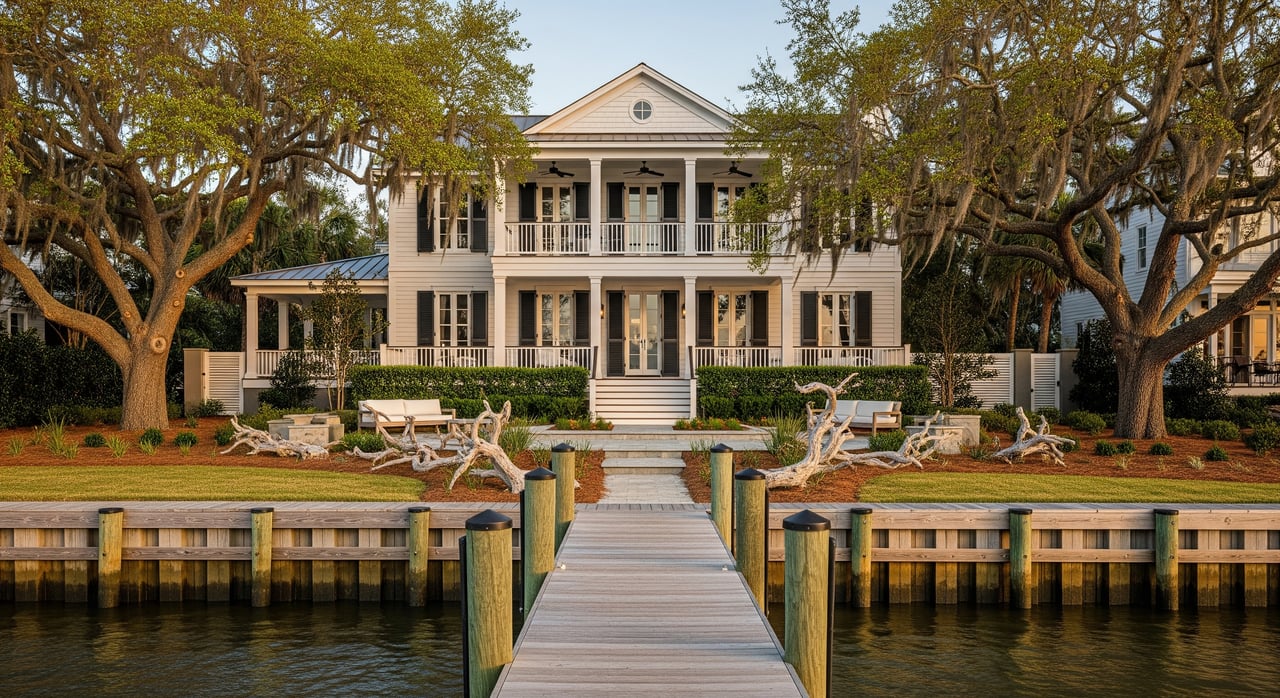
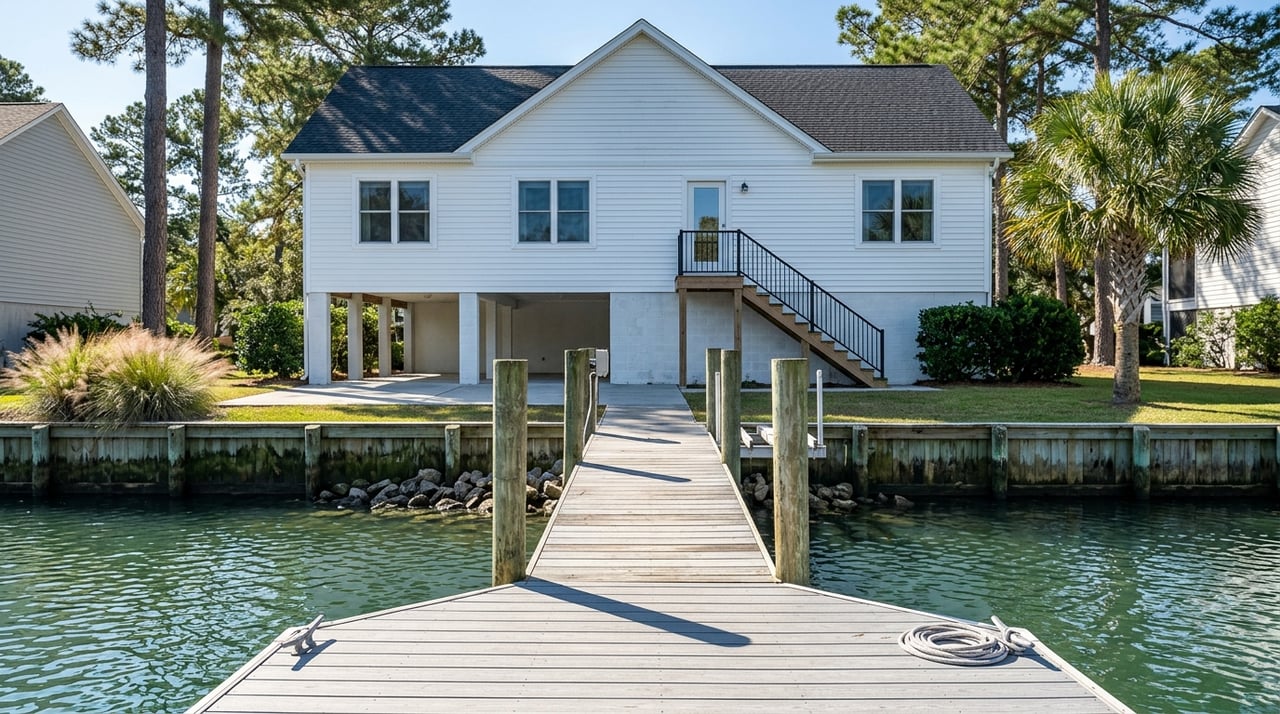
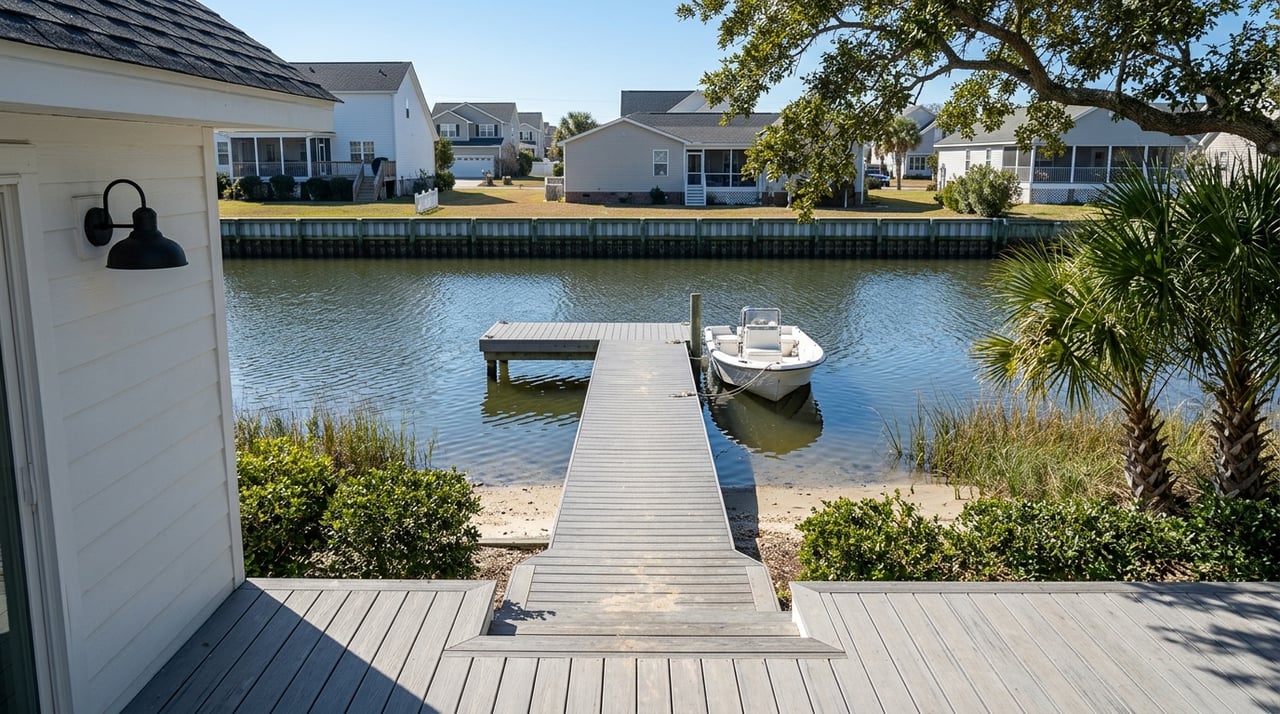
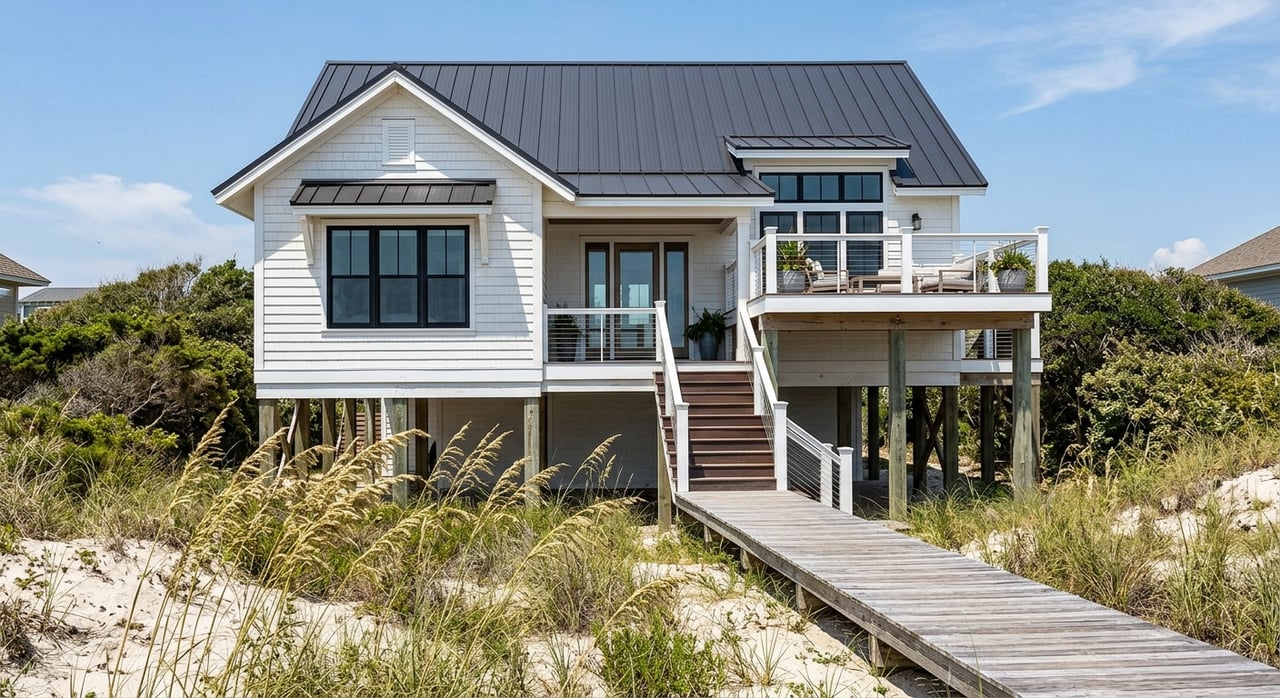
  • Waterfront single‑family homes with docks or bulkheads and elevated construction for flood resilience.
  • Late 20th to early 21st‑century single‑family homes on modest lots in small subdivisions.
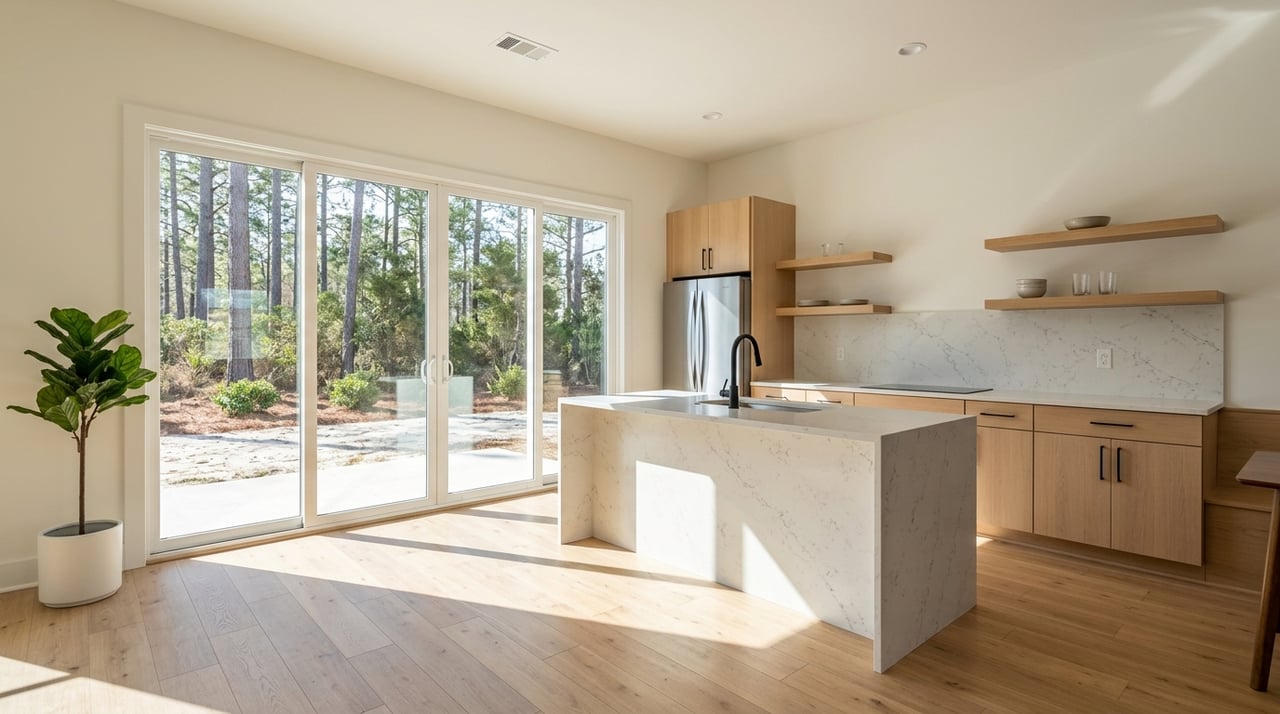
  • Newer, near‑water neighborhoods with raised foundations, garages, and modern floor plans.
  • Condos and townhomes in select pockets for lower‑maintenance living.

Utilities differ by area. Much of the town core has municipal sewer, while some outlying streets and older parcels use septic. Confirm sewer availability early if you plan to build or remodel.

Southport micro‑markets to know

Southport breaks into a few practical areas that shape price, pace, and fit. Here’s how to think about them.

Historic core and downtown

You’re close to the waterfront park, shops, and restaurants, with walkable streets and classic coastal architecture. Buyers choose this area for lifestyle as much as the house.

  • Key drivers: proximity to the water, condition of historic features, renovation quality, and off‑street parking.
  • What to know: smaller lots, older systems, and design guidelines in local historic overlays. Some low‑lying blocks may face higher flood exposure.

Marina‑adjacent and waterfront streets

These homes offer views of the Cape Fear River and inlet, with docks or bulkheads on select properties. Inventory is tight, and homes with boat access often command premiums.

  • Key drivers: deeded slips, elevation and bulkhead condition, and quality of water views.
  • What to know: you may see higher wind and flood insurance costs, plus ongoing maintenance for shoreline structures.

Elevated newer neighborhoods

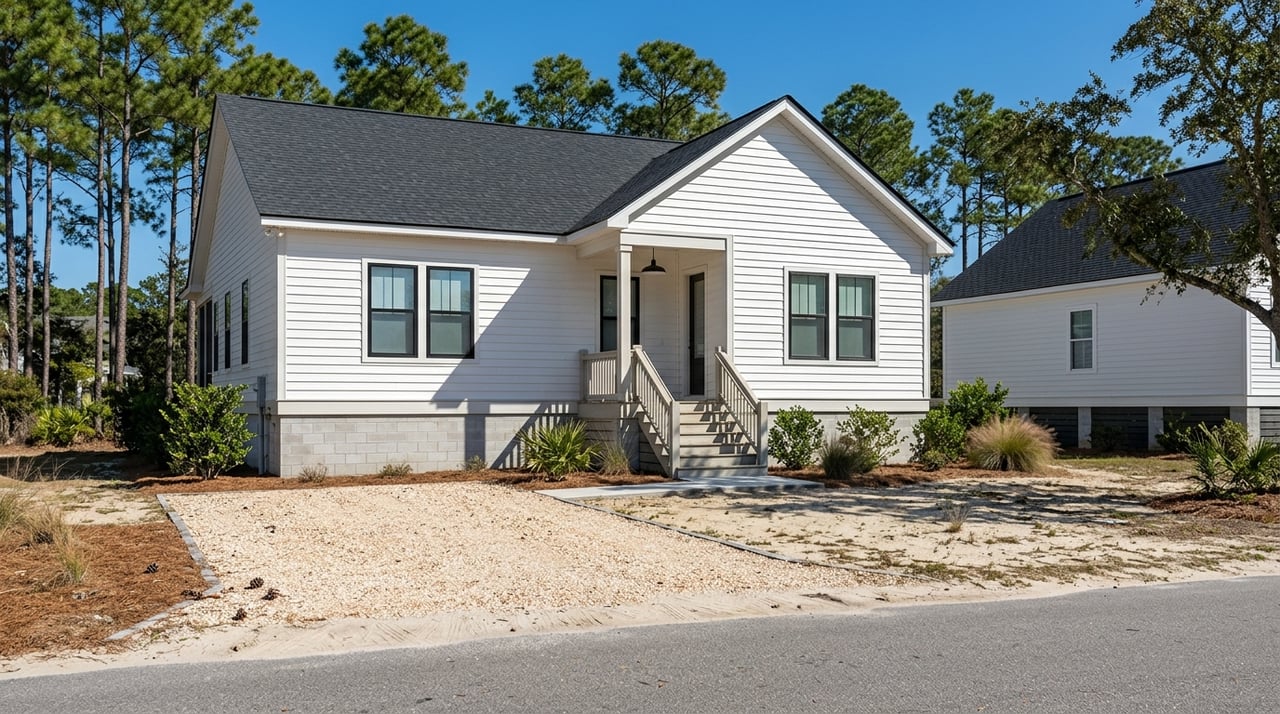
Inland from the riverfront, you’ll find planned subdivisions with raised construction, garages, and larger yards. These communities appeal to year‑round buyers who want modern layouts and lower flood risk compared with low‑lying waterfront streets.

  • Key drivers: builder reputation, lot size, and proximity to services.
  • What to know: many homes follow modern codes for wind and flood resilience, which can help on insurance.

Island connections: Oak Island and Bald Head Island

Southport sits minutes from the Oak Island bridge and serves as the mainland gateway to the Bald Head Island ferry. Buyers who are priced out of the islands often look in Southport for easier access and value.

  • Market effect: demand from island‑oriented buyers can lift interest and shorten market times near the ferry and main routes to the beach.
  • What to know: if the island lifestyle draws you, Southport can be a smart base with simpler daily logistics.

Outlying Brunswick County edges

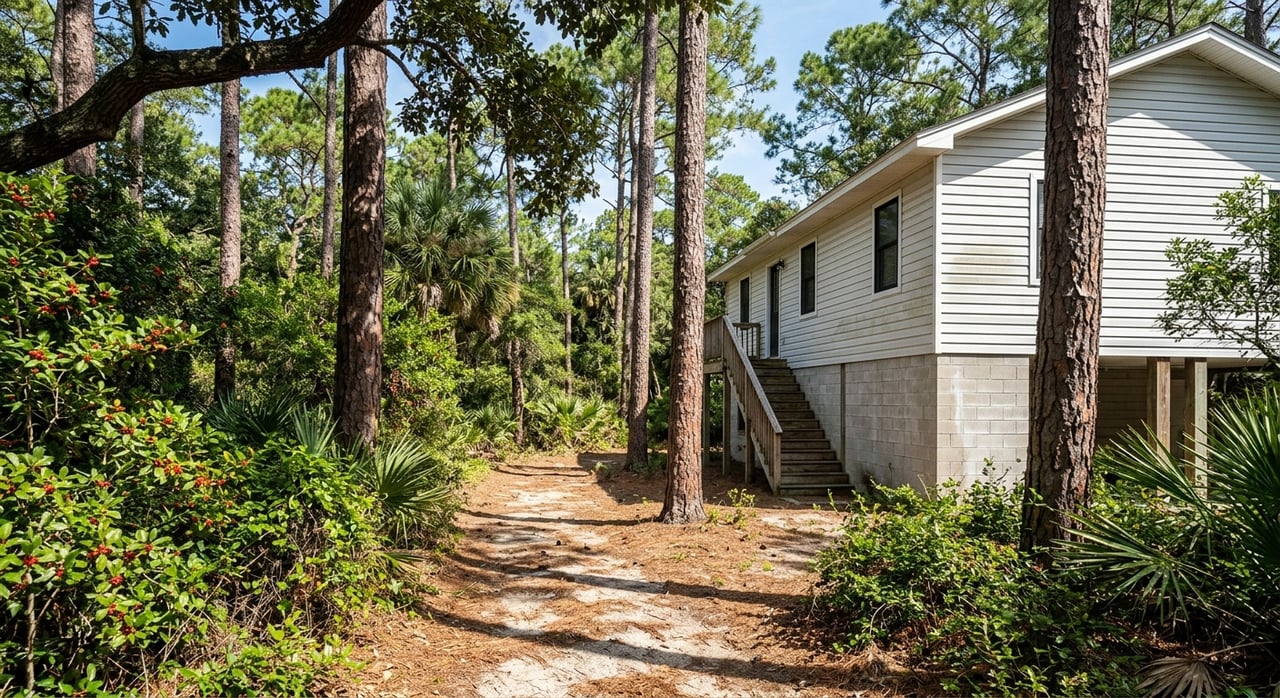
Just beyond town, you’ll see larger lots and a more rural feel. Pricing per acre can be attractive, but drives to downtown run longer.

  • Key drivers: acreage, privacy, and outbuilding potential.
  • What to know: confirm septic, well or municipal service, and zoning before you fall in love with a project plan.

How the market moves

Like many coastal towns, Southport sees more listings and buyer traffic in spring and early summer. Late fall and winter are quieter, though many retirees and snowbird buyers shop then too. Your experience will vary by micro‑market and price point.

Waterfront and renovated historic homes can move quickly during active seasons when inventory is tight. Higher‑priced waterfront properties sometimes take longer when demand cools. For exact days on market and pricing in your range, ask a local agent for current MLS data.

What to check before you tour

A focused upfront check saves time and surprises later. Prioritize these items before you book flights or block a weekend.

  • Flood zone and elevation: Identify the FEMA flood zone and ask for an Elevation Certificate if one exists.
  • Sewer or septic: Confirm municipal sewer availability or plan a septic inspection.
  • HOA and CCRs: Review rules on exterior changes and rentals before you pencil in income.
  • Historic overlay: If you’re eyeing downtown, understand design guidelines that may affect exterior work.
  • Bulkheads and docks: For waterfront, budget for condition assessments and potential repairs.

Coastal costs and insurance basics

Coastal ownership has unique recurring costs. Flood insurance is typically required if a lender is involved and the home sits in a mapped flood zone. Premiums depend on the flood zone, elevation relative to Base Flood Elevation, age of construction, and mitigation features.

Wind coverage is usually part of your homeowners policy, though coastal deductibles can apply. Some properties may use state‑level programs if private carriers restrict coverage. Ask a coastal insurance specialist for quotes on both flood and wind before you make an offer.

Be ready for salt‑air maintenance. Roofs, HVAC components, exterior finishes, and marine structures face more wear from moisture and corrosion.

Financing and appraisal on the coast

Lenders pay close attention to elevation, flood zone, and insurability. You may be asked for an Elevation Certificate, wind mitigation details, or additional documentation for docks and bulkheads. Appraisers weigh view corridors, water access, and construction type, which means comps are hyper‑local. Allow time for underwriting questions specific to waterfront or historic properties.

Plan a smart buying trip

If you live out of the area, a 48 to 72‑hour, well‑planned visit can replace weeks of scattered searching.

  • See homes at both high tide and low tide to understand views and any nuisance flooding.
  • Visit on a weekday and a weekend to gauge traffic and the pace of downtown.
  • Block time for inspections or a contractor walk‑through if a property rises to the top.
  • Keep a tight short list so you can revisit favorites before you leave.

Island Life’s curated Discovery Tours help you cover ground quickly, compare micro‑markets, and make a confident short list. This is especially helpful if you are deciding between downtown charm, boat‑centric living, and newer, low‑maintenance neighborhoods.

Key coastal terms, simplified

  • FEMA Flood Zones (AE, VE, X): Categories that influence risk and flood insurance requirements.
  • Base Flood Elevation (BFE): The modeled height of floodwaters in a 100‑year event; used to set minimum elevations.
  • Elevation Certificate (EC): A surveyor’s document that records a building’s elevation for insurance and compliance.
  • LOMA: A FEMA process to adjust a property’s status if it sits above the mapped flood level.
  • Bulkhead or seawall: Shoreline structures that reduce erosion and require routine maintenance.
  • Historic district overlay: Local guidelines that can affect exterior changes and renovations.
  • CCRs and HOA: Rules that may limit rentals or exterior alterations.

Newcomer checklist

  1. Define your priorities. Decide between waterfront access, walkable downtown charm, or newer construction with lower maintenance.
  2. Get current market data. Ask for MLS saved searches and recent comps in your target price and area.
  3. Check flood maps. Note the FEMA zone and request any existing Elevation Certificate.
  4. Confirm utilities. Verify sewer access or plan for septic inspection and maintenance.
  5. Plan a focused visit. See homes at different tides and times of day and line up inspections as needed.
  6. Price insurance early. Get flood and wind quotes before you write an offer.
  7. Review rules. Confirm zoning, HOA restrictions, and any short‑term rental requirements.
  8. Partner with a coastal expert. Work with an agent who knows Southport, Oak Island, and Bald Head Island buyer patterns.

Ready to see Southport up close?

If Southport fits your lifestyle, the next step is a guided visit that compares neighborhoods side by side and answers your flood, insurance, and renovation questions in real time. Schedule your Island Life Discovery Tour, and we’ll map a focused route, preview properties, and connect you with trusted local pros. Start by reaching out to April Annas for dates and a short planning call.
FAQs

What makes Southport different from nearby islands?

  • Southport offers walkable downtown living and marina access at mainland prices, while Oak Island and Bald Head Island are beach and resort environments with different logistics and pricing.

How do flood zones affect buying in Southport?

  • Your flood zone and elevation can influence insurance costs and construction requirements, so request an Elevation Certificate and price flood and wind coverage early.

What inspections are most important for coastal homes?

  • Add moisture, roof, and HVAC checks, a termite inspection, and for waterfront lots a bulkhead or dock assessment, along with standard home inspections.

When is the best time to tour or buy in Southport?

  • Spring and early summer have the most activity, but fall and winter offer quieter tours; plan visits at both high and low tide to see conditions clearly.

Can I use a Southport home as a short‑term rental?

  • Rules vary by location and HOA, so confirm local ordinances and community restrictions before assuming rental income.

Work With Us

Island Life Real Estate is invested and committed to helping each of its clients find their dream and discover all island life has to offer.