Ever scrolled Oak Island listings and wondered why the kitchen and great room sit upstairs? You’re seeing a classic coastal design called a reverse floor plan. If you’re dreaming of views, breezes, and easy entertaining, this layout can be a smart fit. In this guide, you’ll learn what a reverse plan is, why it’s common on Oak Island, key pros and cons, how it affects insurance and resale, and what to look for on a showing. Let’s dive in.
What is a reverse floor plan?
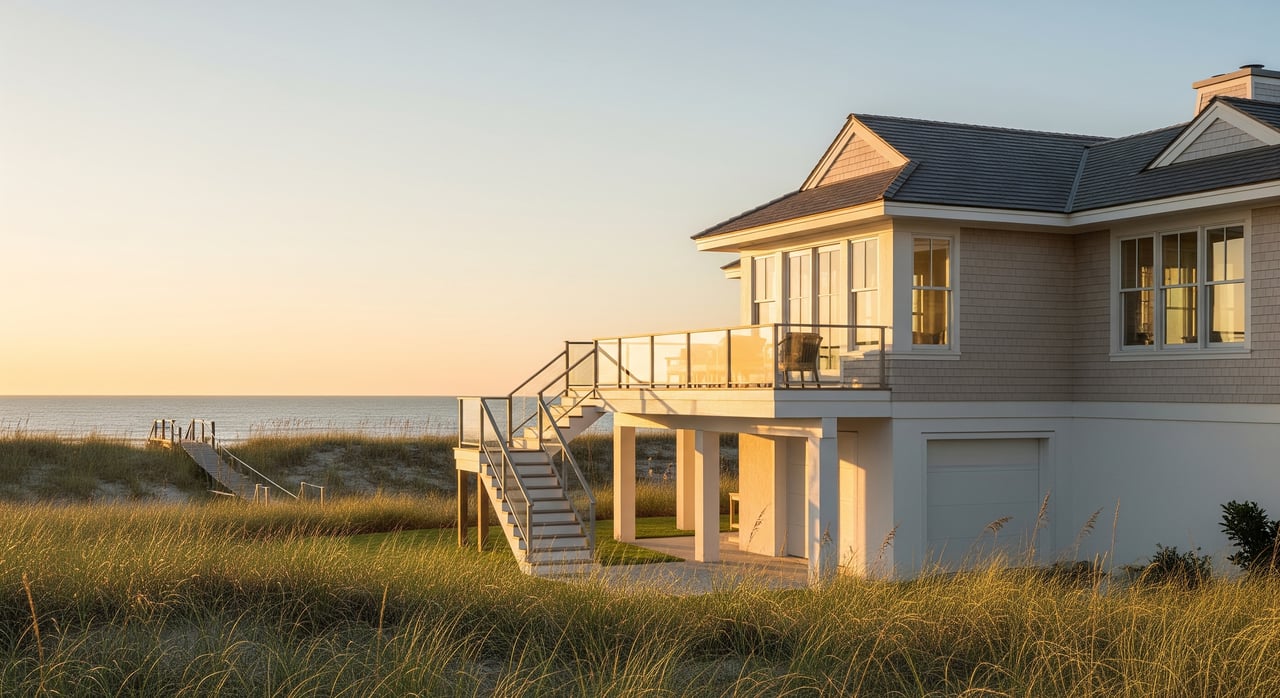
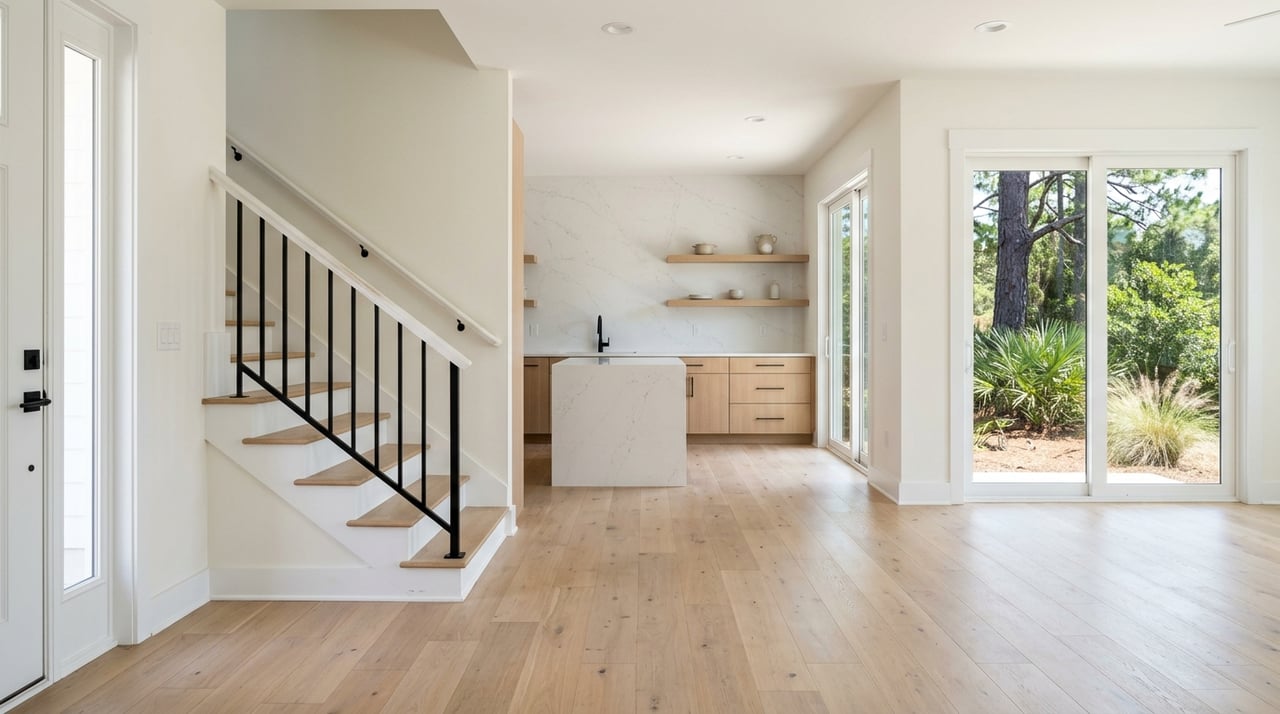
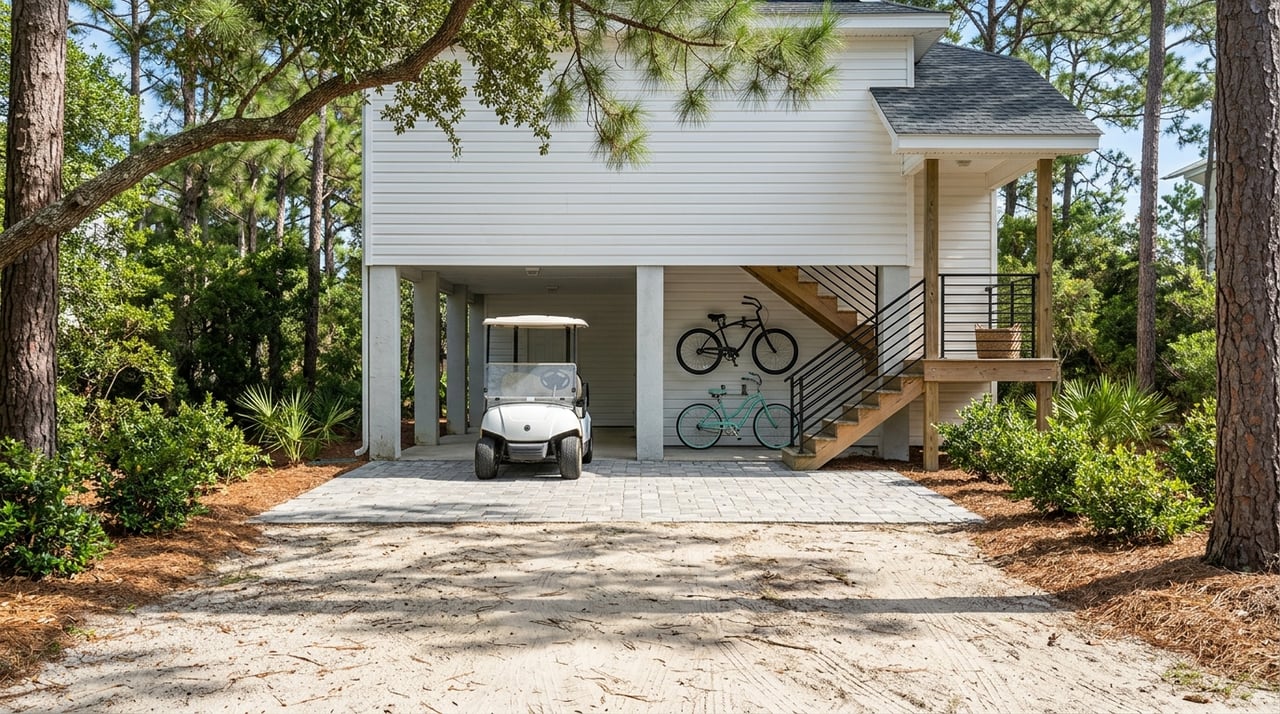
A reverse floor plan places your main living spaces on the upper level. That usually means the kitchen, great room, dining area, and the largest deck sit on the top living floor. Bedrooms, laundry, and storage are typically on the floor below, with parking and utility space at ground level.
On barrier islands like Oak Island, the design makes sense. Elevating living spaces captures bigger water and marsh views, improves cross‑breezes and daylight, and keeps your most valuable finishes above minor flood events. Many homes are built on pilings or raised foundations to follow coastal best practices.
For flood risk and elevation context, you can review the FEMA Flood Map Service Center for Oak Island addresses and flood zones. You can also explore long‑range coastal data using the NOAA Sea Level Rise Viewer.
Why Oak Island uses this layout
Oak Island’s siting and building practices favor height and airflow. Elevated construction helps reduce exposure to storm surge and tides, and it positions your main living areas where views and breezes are strongest. Local requirements often involve elevating structures above the Base Flood Elevation, using pilings, and keeping lower enclosures breakaway or unfinished in certain zones.
If you want to see how local rules and permitting may affect a specific property, start with the Town of Oak Island’s official website, then consult Brunswick County Planning and Inspections for parcel and permitting questions.
Simple vertical stack
- Top level: Great room, kitchen, dining, large view deck
- Middle level: Bedrooms, bathrooms, laundry, storage
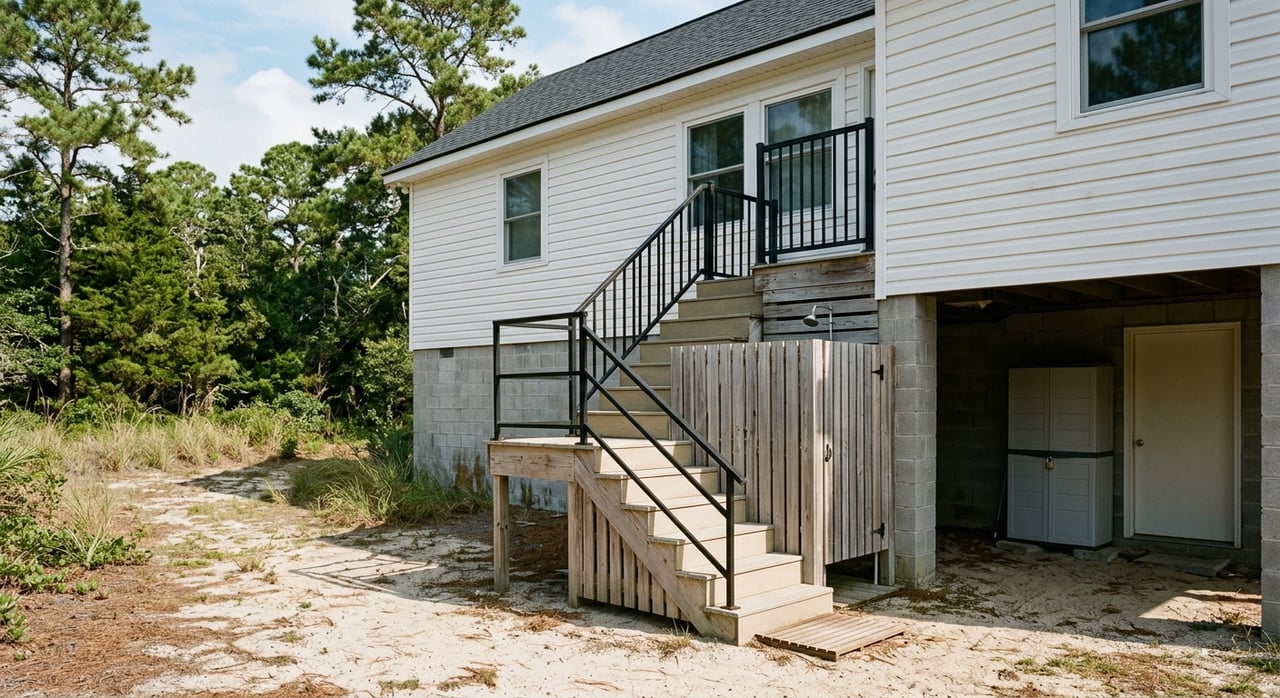
- Ground level: Open parking under the house, outdoor shower, mechanicals
Benefits for Oak Island buyers
Views and lifestyle
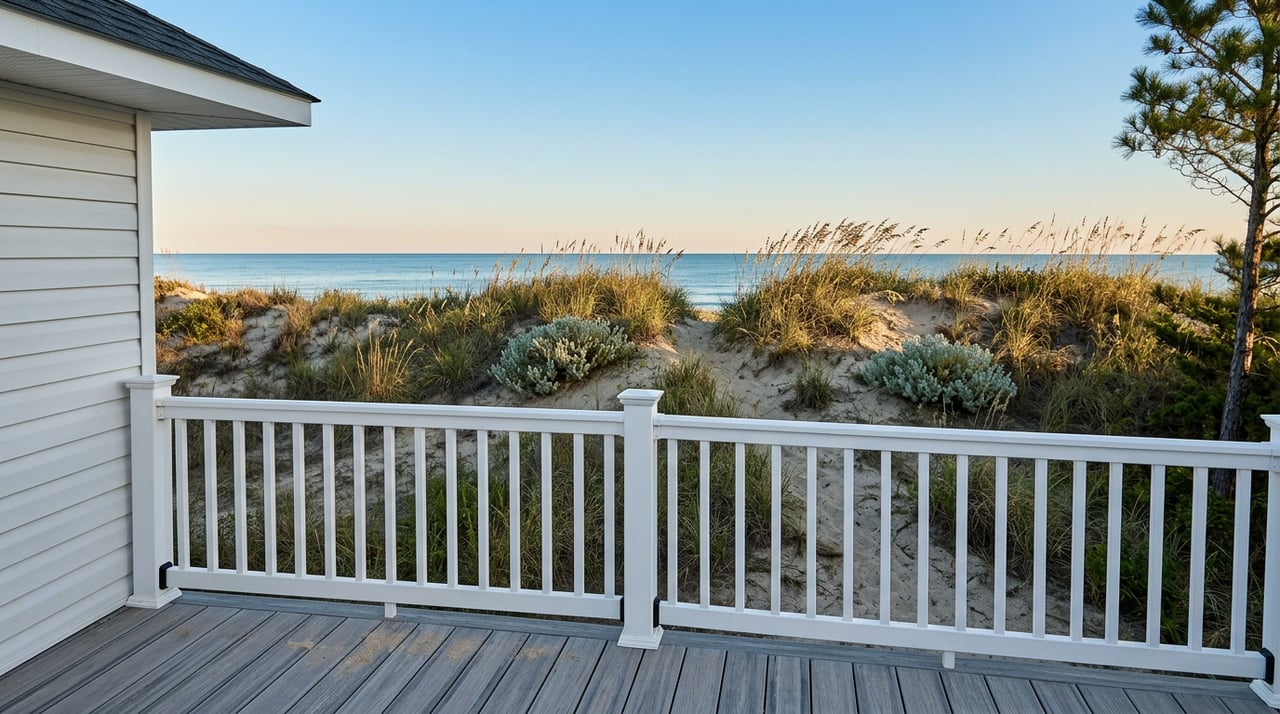
- Upper‑level living captures panoramic ocean, sound, and marsh views.
- Breezes and natural light make spaces feel open and comfortable.
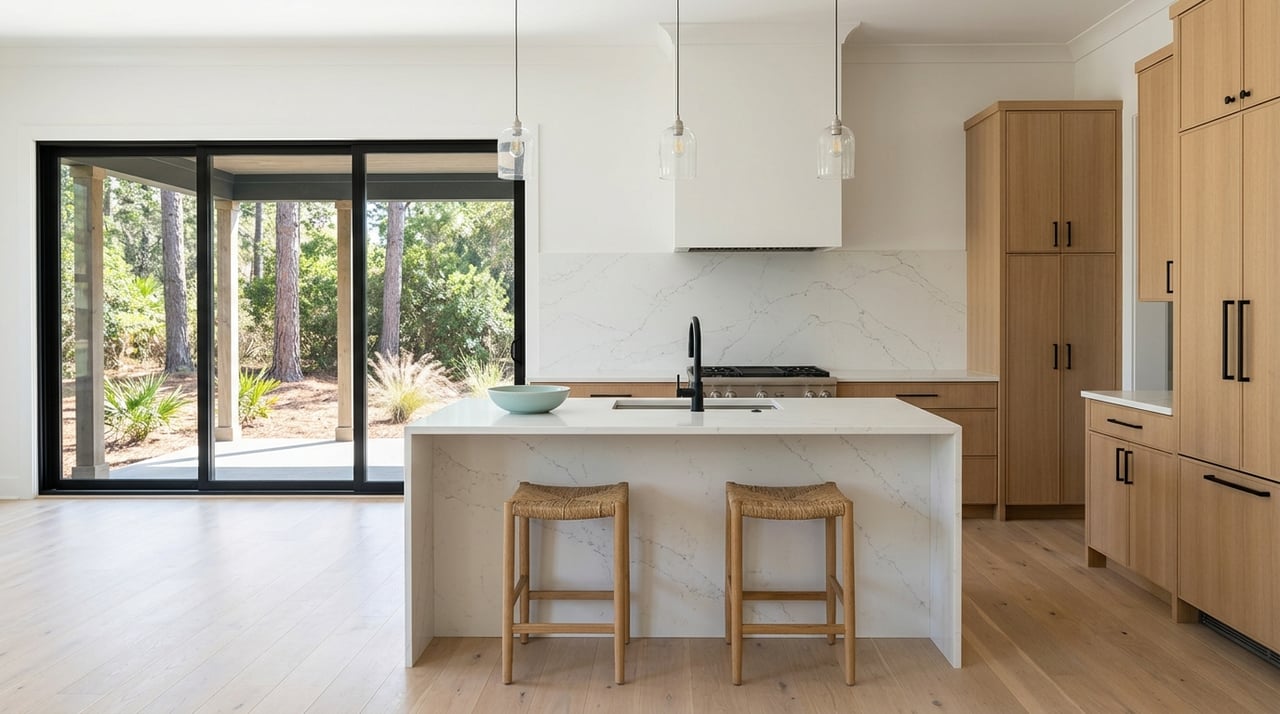
- Decks flow directly from the kitchen and living area for easy indoor‑outdoor entertaining.
Everyday living flow
- Open plans on the top level work well for gatherings.
- Separate sleeping areas on a lower level help with privacy and quiet.
- Photographs and short‑term rental listings often show better with an elevated great room and big deck.
Reduced exposure to minor floods
- Keeping your primary living spaces above the design flood elevation can reduce the chance of major interior damage during minor flooding events.
- Elevated utilities and finishes are more protected when installed above anticipated water levels.
Tradeoffs to weigh
Stairs and accessibility
- Reaching the main living level usually involves a full flight or more of stairs.
- Carrying groceries and luggage up and down can be tiring without an elevator or dumbwaiter.
- For retirees or anyone with mobility needs, plan for accessibility features.
Maintenance and mechanics
- HVAC and heavy appliances located upstairs can be harder to service.
- Decks and railings see heavy use and coastal weather, so regular inspection is important.
Cost and insurance
- Elevated construction and coastal siting can increase build costs and premiums.
- Flood insurance is based on your FEMA flood zone and Elevation Certificate. You can learn how the National Flood Insurance Program works on FEMA’s flood insurance page and compare with private options through local agents.
Is a reverse plan right for you?
Second‑home buyers and investors
If views and rental desirability are high on your list, a reverse plan often delivers. Elevated living rooms and broad decks boost first impressions and nightly rates in many vacation markets. Always verify short‑term rental rules with the Town of Oak Island and any HOA before committing.
Retirees and aging‑in‑place buyers
You might love the views but need a plan for stairs. Look for elevators, stairlifts, or an elevator rough‑in. A ground or mid‑level bedroom and full bath can also help. Even if stairs feel fine today, consider future mobility.
Full‑time residents
Families appreciate visual separation between lively living spaces and quiet bedrooms. Think through daily routines like hauling groceries, laundry locations, pet access, and storage near the entry.
Elevators and accessibility options
Elevators make a big difference on reverse plans. The smoothest path is a through‑floor residential elevator designed into new construction. Retrofitting a shaft and cab later is often possible but depends on space, structure, and power. Budget in the tens of thousands, with a wide range based on model and labor.
Other options include:
- Stairlifts or a vertical platform lift for limited mobility needs
- Dumbwaiters for groceries and laundry to supplement stairs
- Thoughtful stair design with secure handrails and non‑slip treads
Accessibility features to look for:
- Elevator installed or roughed‑in
- A main‑level or ground‑floor bedroom and full bath
- Wider doors, low‑profile thresholds, and good lighting on stairs and landings
- Laundry located on the main living level to reduce trips
Resale and rental potential
In Oak Island neighborhoods where raised homes are the norm, a reverse plan is often neutral to positive for resale. Appraisers compare to similar elevated homes, and buyers who value views tend to favor the layout. For the primary‑home market, the buyer pool can narrow if stairs are a concern, so an elevator or bedroom flexibility helps.
For rentals, elevated living spaces with a view deck typically photograph well and can support higher occupancy. Before you plan on renting, check the Town of Oak Island’s official resources for any rules, permits, or neighborhood restrictions.
Flood, insurance, and inspections
Your due diligence should start with flood zone verification and documented elevation.
- Use the FEMA Flood Map Service Center to confirm the property’s zone and ask the seller for an Elevation Certificate.
- For a broader coastal context, review the NOAA Sea Level Rise Viewer to understand long‑term exposure in the area.
- For consumer guidance on flood insurance and coastal policies in North Carolina, the North Carolina Department of Insurance is a helpful starting point.
Inspection priorities for reverse plans:
- Structural support, pilings, framing, and deck attachments
- Deck load capacity and waterproofing at door thresholds and penetrations
- HVAC, water heater, and electrical panel location and condition
- Plumbing stacks and laundry placement across floors
- Any past flood or water intrusion repairs and related documentation
What to look for on a showing
Use this quick checklist when you tour reverse‑plan homes on Oak Island.
- Flood and siting
- Flood zone and Elevation Certificate on file
- Prior flood claims and repair history
- Accessibility and vertical circulation
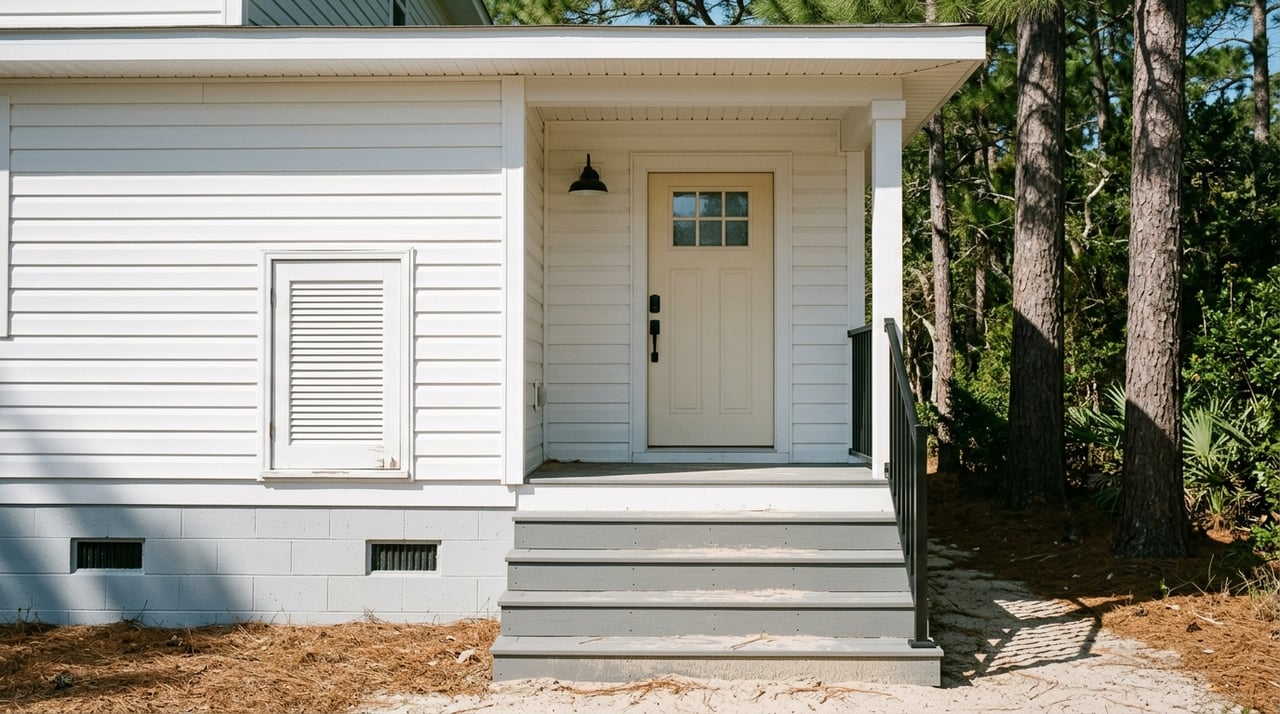
- Number of stairs to the main living level and stair condition
- Elevator, stairlift, or an elevator rough‑in location
- Laundry location and ease of use
- Mechanical and maintenance
- HVAC, water heater, and electrical panel placement and elevation
- Deck and railing condition, fasteners, and guardrail stability
- Signs of rot, rust, or water damage
- Entertaining and living
- Sightlines from kitchen to deck and view corridors
- Deck size, orientation, and typical breezes
- Outdoor shower and secure storage for beach gear
- Insurance and cost
- Sample flood insurance quotes and options to compare
- Seller’s utility and rental history if applicable
How the layout lives day to day
Here’s a simple way to picture the flow:
- Kitchen to great room to view deck for easy gatherings
- Bedrooms below for quiet and privacy
- Ground level for parking, beach rinse, and gear storage
Local resources and next steps
- Review your address and flood zone at the FEMA Flood Map Service Center.
- Explore long‑term coastal context using the NOAA Sea Level Rise Viewer.
- Learn about coastal building and hazard guidance from the North Carolina Division of Coastal Management.
- Confirm permitting and local requirements with the Town of Oak Island.
- For parcel and permitting questions, contact Brunswick County Planning and Inspections.
- For flood insurance questions and consumer guidance, visit the North Carolina Department of Insurance.
Ready to see how reverse plans live in person and compare neighborhoods street by street? Schedule your Island Life Discovery Tour and we’ll line up a curated set of homes that match your lifestyle, access needs, and budget. If you want a knowledgeable local partner from the first tour to post‑closing concierge help, reach out to April Annas.
FAQs
What is a reverse floor plan on Oak Island?
- It places kitchen, dining, and living spaces on the upper level to maximize views, breezes, and reduce exposure to minor floods, with bedrooms below.
Do reverse plans work for retirees or limited mobility?
- Yes with planning, and best with an elevator or lift, a main‑level bedroom and bath, and safe stair design for daily convenience and future needs.
How do I check flood risk for an elevated home?
- Confirm the FEMA flood zone and request an Elevation Certificate; use the FEMA Flood Map Service Center and consult local insurance agents for quotes.
Can I add an elevator to an existing beach house?
- Often yes, but space and structure matter, and costs typically run in the tens of thousands, so get site‑specific bids from local installers.
Will a reverse floor plan help with vacation rental demand?
- In many Oak Island areas it can, since views and deck living photograph well, but always confirm local rental rules and any HOA restrictions.