Lock-And-Leave Ownership On Bald Head Island Explained
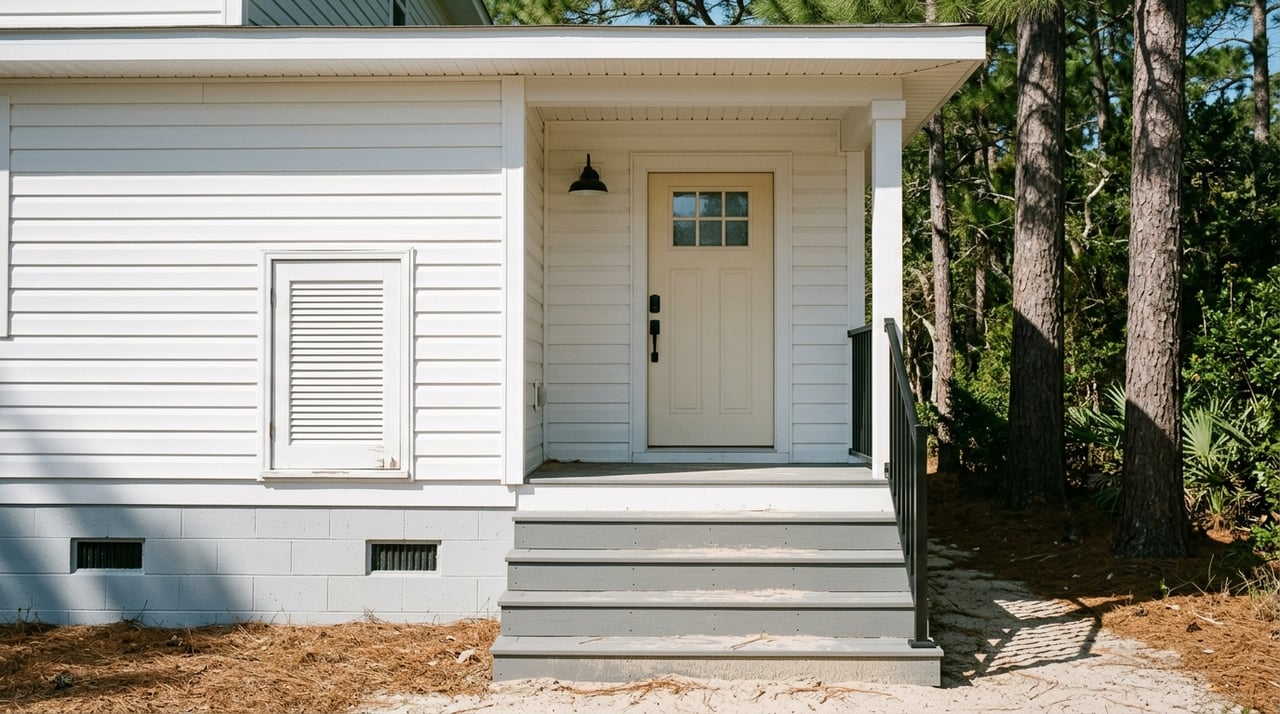
Buying a home on Bald Head Island often sounds wonderfully simple until you picture the real-life details. How do you get there, who checks on the house when you are away, and what does “easy ownership” actually mean on a car-free island? If you are considering a second home or lifestyle property here, understanding lock-and-leave ownership can help you plan with confidence. Let’s dive in.
On Bald Head Island, lock-and-leave ownership is not just about owning a low-maintenance home. It is really about having a reliable system in place so your property can be closed up, monitored, maintained, and reopened between visits.
That matters because Bald Head Island has its own rhythm and logistics. The island is reached by passenger ferry from Deep Point Marina in Southport, with a ride of about 20 minutes, and once you arrive, daily transportation is usually by golf cart, bicycle, or tram. Since passenger cars are not allowed, even routine ownership tasks need a little more planning.
For many buyers, the appeal is obvious. You get the coastal lifestyle and island setting you want, while building a support plan that helps the home function smoothly when you are not there.
If you live off-island, every visit starts with mainland coordination. Ferry reservations, tram bookings, parking, and your arrival timing all become part of the ownership experience.
The ferry system allows tickets to be purchased online or at the terminal, and tram reservations can be made at the same time. Property owners may also purchase annual parking passes, which can make repeat visits more convenient if Bald Head Island will be a frequent getaway.
This is one reason lock-and-leave ownership works best when you think beyond the house itself. You are not just buying square footage. You are buying into a transportation routine that needs to feel manageable for you, your guests, and any service providers helping care for the property.
A smooth arrival usually depends on planning ahead. Owners commonly need to think through:
When these details are handled well, ownership feels easy. When they are not, even a quick weekend trip can feel more complicated than expected.
On-island transportation is part of daily life, and golf carts are regulated by the village and must be registered. At beach accesses, carts must be parked completely off the road, with all four tires off the pavement.
That may sound like a small rule, but it reflects something important about Bald Head Island ownership. The island runs on local systems, and successful lock-and-leave ownership usually means learning those systems early.
One of the biggest surprises for off-island buyers is how much coordination simple deliveries can require. Large items, furnishings, supplies, and contractor materials often move differently here than they would on the mainland.
The village’s barge service carries cargo, vehicles, supplies, and equipment. Reservations are required in both directions, are recommended at least two weeks in advance, and weather can affect operations. No passengers are allowed aboard.
For a second-home owner, that means furnishing a home, replacing large items, or scheduling improvement work may take more lead time than you expect. A lock-and-leave property is easier to own when you build those timing realities into your plans.
Mail and package handling also work best with local support. Owners who are off-island can authorize a neighbor, property manager, or other trusted individual to pick up packages on their behalf.
Perishable deliveries should be ordered earlier in the week because barge and weather delays can affect timing. Oversized items, such as sofas, generally go to the BHI Warehouse at Deep Point Marina before being barged over, and unclaimed packages are returned after 30 days.
This is why many non-local owners rely on a trusted island contact. It turns package handling from a headache into a routine process.
If there is one key to stress-free ownership on Bald Head Island, it is dependable local coordination. The island has a real property-support network, with multiple full-time property management companies and service providers listed through the Bald Head Association.
For most owners, the best setup is a hub-and-spoke model. That usually means one primary local contact, often a property manager, supported by a list of trusted cleaners, landscapers, HVAC technicians, pest control providers, plumbers, electricians, and handymen.
This matters because coastal homes need recurring attention, not just emergency help. If you are hours away, you need someone who can notice issues early, coordinate routine service, and help reopen the home before you arrive.
A strong lock-and-leave setup often includes help with:
The goal is not to eliminate maintenance. The goal is to make maintenance predictable.
A common mistake buyers make is assuming lock-and-leave means low upkeep. On Bald Head Island, the better mindset is managed upkeep.
NC State Extension recommends setting aside 1% to 3% of a home’s market value each year for maintenance and inspecting the home every 3 to 6 months. Its preventive maintenance guidance includes roof and gutter cleaning, checking exterior paint and caulk, annual HVAC service, changing filters, watching drainage around foundations, checking crawlspace vapor barriers, and scheduling termite and pest inspections.
Those recommendations are especially relevant on a barrier island. NOAA notes that salt spray can corrode building materials, moisture can contribute to decay, and termites are common in coastal areas with high humidity.
Your actual costs will depend on the home’s size, age, materials, and exposure, but buyers should go in expecting recurring maintenance as part of ownership. It is wise to plan for both scheduled care and occasional surprise repairs.
In practical terms, your budget may need to account for:
The more consistently these items are handled, the more “lock-and-leave” your ownership experience feels.
On Bald Head Island, weather readiness is part of owning well. If you will not always be on-site, storm planning needs to be discussed before you buy, not after a forecast appears.
Flood insurance is also an important part of the conversation. FEMA says flood damage is typically not covered by a standard homeowners policy, and flood insurance is a separate policy. Coastal owners should also think about erosion planning as part of long-term property care.
NC DEQ notes that temporary measures such as sandbags are not permanent solutions and require permits. For some erosion situations, relocation is considered a more permanent response.
Owners who spend time off-island should use the Village’s notification tools. The village encourages residents to sign up for CodeRed emergency notifications, which can help you stay aware of weather events, service schedule changes, and public works updates.
That kind of information is especially useful when you are not nearby. It gives you more time to coordinate with your property manager or local vendors if conditions change.
Reliable ownership often comes down to small local routines. Trash collection on Bald Head Island is schedule-based, with household trash picked up twice a week in season and once a week in the off-season, depending on the route.
The visible yes/no sign must also be set correctly or the truck will not stop. The village offers bulk pickup and a compactor, but standard household trash service does not accept construction debris.
These details may seem minor at first, but they are a good example of how lock-and-leave ownership works here. The smoother your local systems are, the easier it is to enjoy the home without constantly managing it from afar.
For many buyers, the answer is yes, as long as your expectations match the reality of island ownership. Bald Head Island can be a wonderful fit if you want a home that supports easy arrivals, memorable stays, and a strong sense of place, but it works best when you treat convenience as something you build through planning.
The real promise of lock-and-leave ownership here is not that nothing needs attention. It is that with the right support network, recurring care, and local guidance, your home can be ready when you are and looked after when you are not.
If you are exploring Bald Head Island and want help thinking through access, home type, maintenance expectations, and what ownership would feel like for your lifestyle, April Annas can help you approach the process with local insight and concierge-level guidance.
Island Life Real Estate is invested and committed to helping each of its clients find their dream and discover all island life has to offer.