Southport Waterfront Or Village Streets: How To Choose
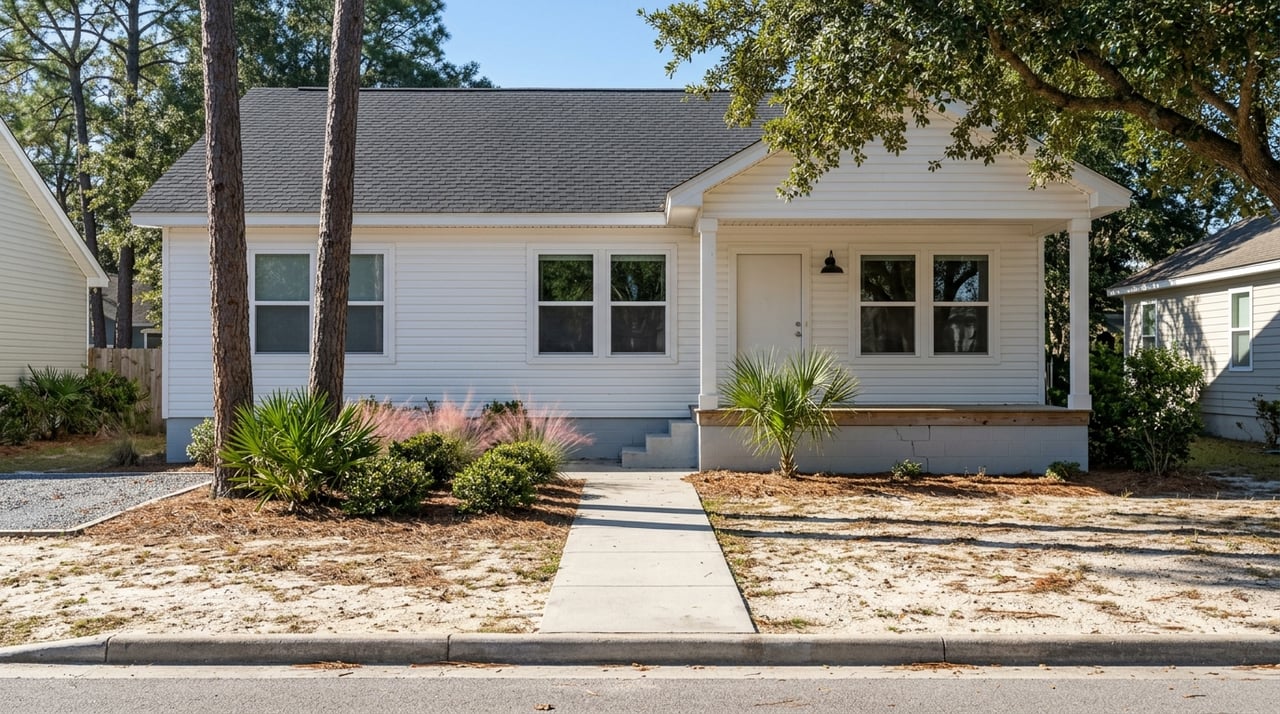
Trying to choose between Southport’s waterfront and its village streets? That decision shapes your daily life more than almost any countertop, floor plan, or paint color ever will. If you are dreaming about buying in Southport, it helps to know that these two close-in settings offer very different experiences, even though both deliver the coastal charm the town is known for. This guide will help you compare lifestyle, setting, home character, and price patterns so you can move forward with more clarity. Let’s dive in.
Southport sits where the Cape Fear River meets the Atlantic, and the heart of town is centered in and around the historic downtown and waterfront core. According to the City of Southport’s historic district materials, the area includes Bay, Moore, Nash, West, and Brown streets, with a pattern of pedestrian-oriented blocks and small to moderately scaled residences.
In simple terms, you can think of the choice as waterfront living versus inland historic-street living. The city’s walking tour information supports that distinction by highlighting the waterfront as a public-facing historic setting, while the interior streets are described more through their residential feel and tree canopy.
If you want Southport’s most active, scenic, and walkable setting, the waterfront is the obvious place to start. This part of town puts you closest to the river views, public gathering spaces, and some of the town’s best-known outdoor amenities.
Waterfront Park overlooks the Cape Fear River and includes a public fishing pier, picnic tables, benches, swings, lights, and walkways. The city’s Riverwalk adds a short, accessible boardwalk route along the riverfront, and county tourism materials describe it as about 0.7 mile with benches, wildlife views, and long views toward nearby lighthouses and barrier islands.
The waterfront also serves as a community hub. The city promotes public walking tours of historic Southport, and it has also announced summer markets at Waterfront Park. If you picture yourself strolling to the water, enjoying public spaces, or spending more time in the middle of town activity, this setting may feel like the right fit.
If the waterfront feels lively, the village streets often feel more settled and residential. These inland historic blocks still place you close to Southport’s core, but the experience shifts from riverfront energy to shaded streets and classic neighborhood character.
The city’s walking tour materials highlight long live-oak canopies on streets such as West Nash and note tree-preservation efforts in the historic area. That helps explain why many buyers are drawn to these blocks for their calmer rhythm and strong sense of place.
This option can be especially appealing if you want architectural charm without living directly along the river edge. You still get the benefits of close-in Southport, but with a setting that often feels quieter from day to day.
Southport’s historic core includes a broad mix of eastern North Carolina vernacular homes and influences from Georgian, Federal, Colonial Revival, Stick, Queen Anne, Greek Revival, and Craftsman styles, according to the city’s design standards document. The same document also notes later examples of Ranch, Cape Cod, Gothic Revival, Italianate, Victorian, Art Deco, and styled ranch architecture.
That means you are not shopping in a one-style town. Instead, you will likely see a mix of cottages, one- and two-story homes, later infill properties, and homes that reflect different eras while still contributing to the overall streetscape.
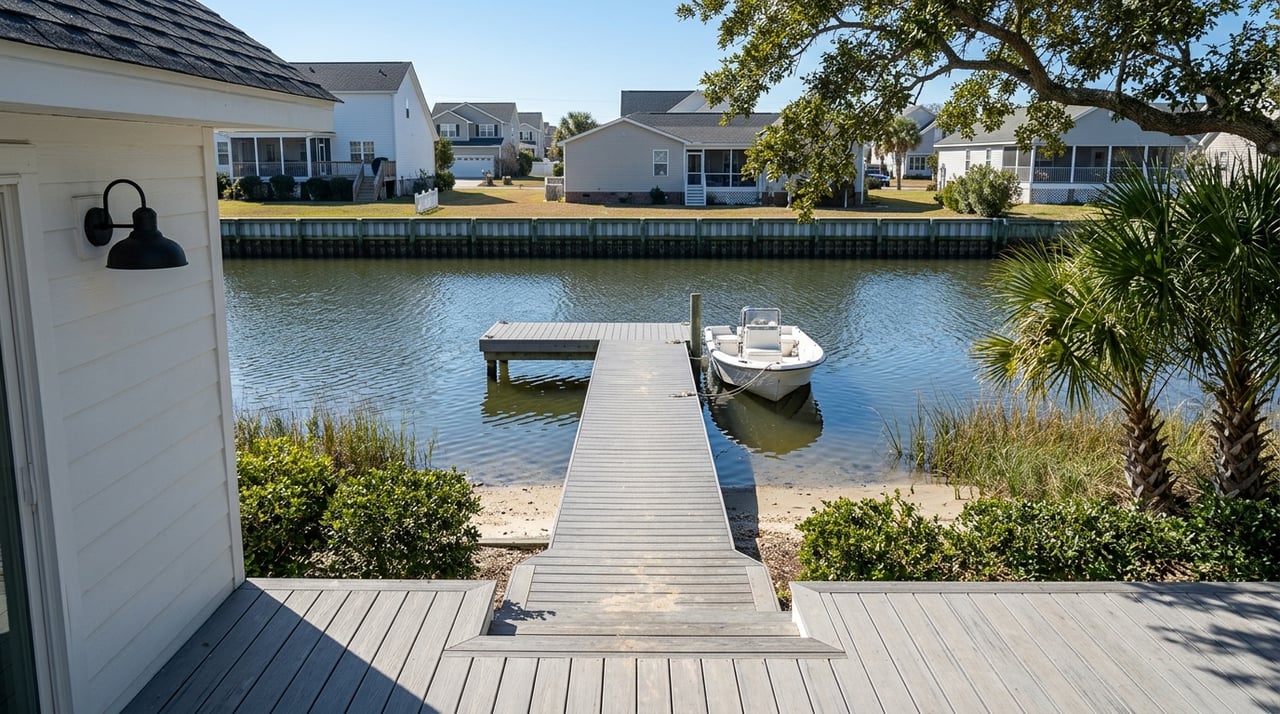
On the waterfront, homes can feel more view-driven and more visually distinctive. The research report notes current examples ranging from marina-view and river-view condos to landmark historic residences, including the well-known Cape Fear House on Bay Street. In practical terms, waterfront can mean anything from a modest water-oriented property to a standout historic showpiece.
On the village streets, the feel is often more cohesive and residential. The city’s historic-district descriptions emphasize smaller-scale residences, porches, wood siding, and a consistent streetscape. If you are looking for classic Southport character, this is often where that feeling comes through most clearly.
Southport is a market where one headline number does not tell the whole story. The research report shows several different benchmarks: Zillow reports an average Southport home value of $410,516, Redfin reports a February 2026 median sale price of $568,500, and Realtor.com shows a median sale price of $499,999. Those differences are a good reminder that property type, source method, and timing all affect the number.
What is clearer is that waterfront homes usually carry a premium. Redfin’s Southport waterfront market data in the research report shows 16 waterfront homes for sale with a median listing price of $633,000, with active listings ranging from about $357,900 to $2.25 million.
That does not mean every inland home is less expensive than every waterfront home. The better takeaway is this: signature riverfront and water-view properties tend to sit at the top end, while inland historic-street homes may offer a somewhat more accessible path into Southport’s close-in charm.
If you are weighing the two, it helps to focus less on which one is “better” and more on which one better supports your routine, priorities, and budget.
| Priority | Waterfront | Village Streets |
|---|---|---|
| Daily setting | Scenic, open, public-facing | Shaded, residential, quieter |
| Walkable amenities | Strongest access to Riverwalk, park, pier, events | Close-in, but less centered on public gathering spaces |
| Home feel | View-driven, sometimes landmark-style | Classic residential Southport character |
| Pace of life | More destination-oriented | More neighborhood-oriented |
| Price pattern | Often premium, especially for direct or signature views | May offer more accessible entry points in close-in Southport |
Your decision is not just about lifestyle. It can also affect how you maintain or update a property.
If a home is within the local historic district, exterior work requires a Certificate of Appropriateness. The city’s standards discuss preserving viewsheds, porches, and historic streetscapes, so it is smart to understand those guidelines before you buy.
The waterfront also comes with practical coastal considerations. The research report notes that Southport’s river edge is an actively managed asset, including current shoreline stabilization efforts and waterfront-related funding. That does not automatically make waterfront ownership harder, but it does make it important to ask the right questions about location, improvements, and long-term maintenance.
A good Southport home search starts with your lifestyle, not just a map pin. If you want your mornings to begin with river views, easy walks to Waterfront Park, and a more destination-style setting, the waterfront may be your best match.
If you picture yourself under live oaks on a quieter street, enjoying historic architecture and a more residential pace, the village streets may suit you better. Both options offer access to what makes Southport special. The right choice simply depends on whether you want Southport to feel more like a scenic waterfront destination or a classic coastal neighborhood.
If you are weighing both options and want local guidance that makes the decision easier, April Annas can help you compare the feel, value, and daily lifestyle of each area with a personalized, on-the-ground approach.
Island Life Real Estate is invested and committed to helping each of its clients find their dream and discover all island life has to offer.