Your Out-Of-Area Buyer Timeline For Oak Island Homes
Buying from out of town sounds simple until you try to fit coastal research, home tours, financing, inspections, and closing into one clean plan. If you already know Oak Island is on your shortlist, you do not need more random browsing. You need a timeline that helps you travel with purpose, act quickly when the right home appears, and avoid surprises that can matter more on the coast. Let’s dive in.
Oak Island is not a market where you can judge a home by photos and price alone. The town covers nearly 20 square miles and includes about 10 miles of beachfront on a 12-mile island, so location details can affect both your day-to-day use and your buying timeline.
For out-of-area buyers, that means your search should include more than bedrooms, bathrooms, and finishes. You also want to ask about flood risk, beach access, drive routes to and from the mainland, and whether the property may need permits or extra review if you plan to renovate, rebuild, or buy land.
Flood due diligence is especially important in Oak Island. The town provides flood maps, special flood hazard information, historical flood data, and elevation certificates for many structures in special flood hazard areas. The town also notes that standard homeowners insurance does not normally cover flood damage.
Before you book a trip, get your search focused. Out-of-area buyers usually have limited time on the ground, so the goal is to arrive with a short list of homes and areas that match how you plan to use the property.
This is where a curated approach matters. Island Life Real Estate offers an Island Life Discovery Tour, which is a broker-led tour of the area with a variety of available homes. For many buyers, that is the most efficient way to compare options without wasting a first visit on scattered showings.
If you plan to finance, pre-approval should happen before you write an offer. North Carolina buyer guidance advises buyers to pursue loan qualification early and use the due diligence period to complete appraisal and lender review.
A smart pre-trip checklist often includes:
If you are looking at a lot, teardown, or major renovation candidate, start asking permit questions early. Brunswick County lists permits and approvals that may come into play, including Minor CAMA permits, septic and well permits, flood zone permits, and residential building permits. Oak Island also notes coastal construction, floodplain rules, and wind-zone standards.
Your first Oak Island visit should help you answer two questions at once. First, does the property work? Second, does the location work for your lifestyle?
That means comparing more than finishes and square footage. You may want to pay attention to beach access, the feel of the immediate area, maintenance needs, likely flood exposure, and how the home fits your plans as a second home, future full-time move, or long-term hold.
For many out-of-area buyers, this is why a compressed, guided tour works so well. Instead of trying to learn the island in a single weekend on your own, you can use that time to compare homes in a more intentional way and leave with a much clearer sense of what deserves an offer.
One of the biggest mistakes out-of-area buyers make is assuming there is a standard North Carolina contract timeline. There is not.
The due diligence period and settlement date are negotiable. That means your offer should be built around your actual schedule, including travel, inspections, lender timelines, and any extra coastal due diligence you need.
North Carolina offers should be in writing, and buyer guidance warns that real estate contracts are legally binding. Verbal agreements should not be relied on, and there is generally no cooling-off period.
Once a contract becomes effective, the clock starts. That is why narrowing your choices before arrival matters so much. If you wait until after the contract is signed to begin lining up inspectors, lender items, and property research, your timeline can feel tight very quickly.
In North Carolina, the due diligence period is your main investigation window. According to the North Carolina Real Estate Commission, this is the agreed period when you can investigate the property and transaction before moving fully forward.
Common due diligence items include:
If a due diligence fee is part of the contract, it is generally paid directly to the seller. It is typically non-refundable, though it is credited to the purchase price if you close.
For Oak Island homes, this is also the stage where coastal questions need clear answers. If the property is in or near a special flood hazard area, review the flood information carefully. If the home has septic or well service, or if you are buying land or planning changes, make sure those county and town questions are addressed early.
If you remember one timing rule, make it this one: schedule inspections as early as possible.
North Carolina guidance says brokers should never discourage inspections, and inspections should be completed early enough in the due diligence period to leave time for seller response. If you cannot attend in person, you should still receive the full report while you are still within that due diligence window.
This matters because repair requests should happen well before due diligence ends. Buyers may ask sellers to make repairs or improvements, but sellers are not required to agree. If inspection results or repair talks leave you uncertain, your options are to negotiate an extension in writing or terminate before the deadline.
For remote buyers, this often means lining up vendors quickly after contract acceptance and reviewing reports as soon as they arrive. Waiting until the final days of due diligence can limit your options.
The good news is that buying from afar in North Carolina can still be very manageable. The back end of the transaction is built around attorney-led closing, and state law requires a licensed North Carolina attorney to supervise a residential real estate closing.
The closing attorney typically examines title, obtains title insurance, supervises the documents, and records the deed and any deed of trust. That attorney-led structure can be especially helpful when you are coordinating the process from another city or state.
North Carolina also allows remote electronic notarization. Each remote notarization must include a communication technology recording, and Brunswick County accepts many documents in person or by mail while also offering eRecording for eligible submitters.
If you plan to use a power of attorney, do not leave that until the last minute. North Carolina requires the power of attorney, or a certified copy, to be recorded in the county where the property is located before a transfer by agent.
Your timeline should include one more step before closing: confirm how the ongoing costs will look after you take title.
In Oak Island, property taxes can include both town and county bills. For 2025, Oak Island’s town rate is $0.20 per $100 of value and includes a sewer district fee of $601.78. Brunswick County’s FY2025-26 ad valorem rate is 0.3420 per $100.
Oak Island says annual property tax bills are due September 1 and become past due after January 5. The town also notes that current-year taxes are commonly prorated at sale, with the seller’s share usually credited to the buyer at closing. North Carolina buyer guidance also says property taxes are generally prorated on a calendar-year basis unless the parties agree otherwise.
If you want the process to feel smooth, think of it in five stages instead of one long blur.
Get pre-approved if needed, define your budget, and narrow your search. This is also the time to identify must-have features, flood questions, and whether you are open to homes, lots, or renovation opportunities.
Use your trip to compare both homes and location fit. A guided Island Life Discovery Tour can help you cover more ground efficiently and leave with a realistic shortlist.
Write an offer with enough due diligence time for your inspections, lender work, and any coastal property questions. Do not assume a one-size-fits-all timeline.
Schedule inspections early, review reports promptly, and address repairs or extensions before the deadline. This is your core decision window.
Work with the North Carolina closing attorney, finalize signing logistics, and prepare for separate town and county tax billing if the property is in town. If you are closing remotely, make those plans early.
Buying on Oak Island from out of town can absolutely be efficient, but the best results usually come from a timeline built around local realities instead of generic advice. When you combine focused planning, a smart first visit, early inspections, and a closing process coordinated by the right local professionals, the whole experience feels a lot more doable.
If you are ready to make your first Oak Island trip count, April Annas can help you plan a thoughtful, efficient path from discovery to closing.
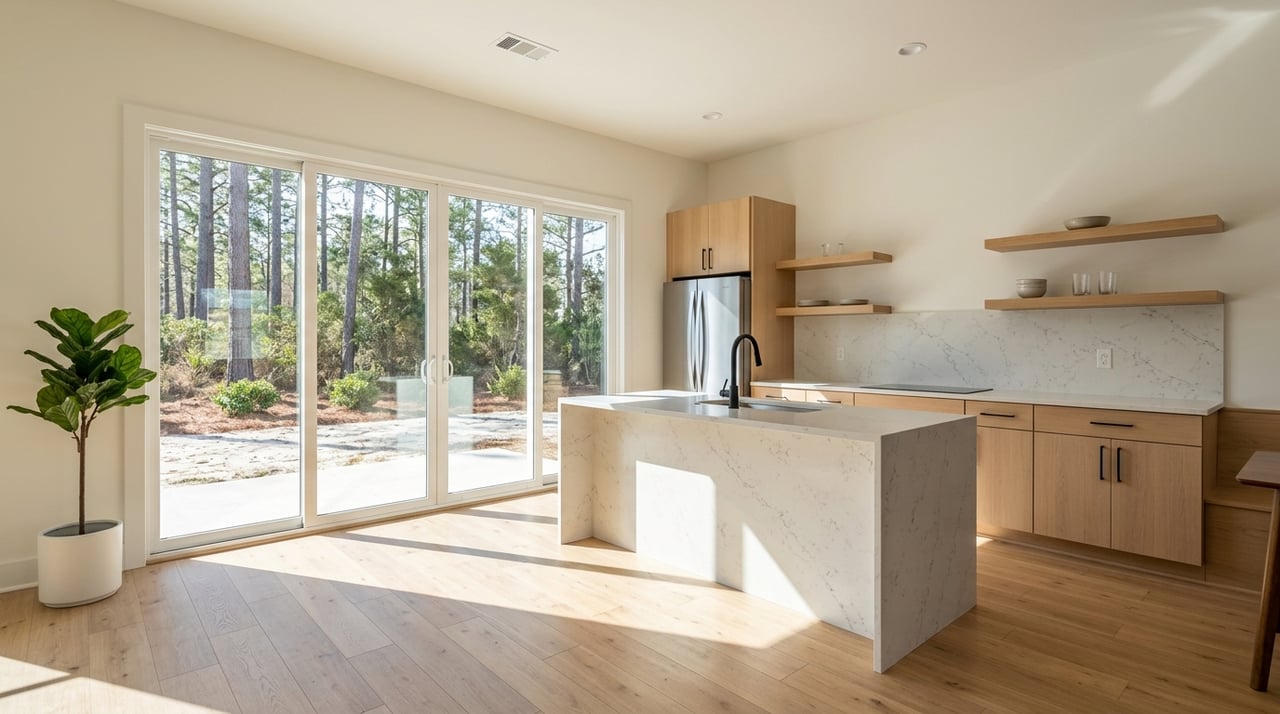
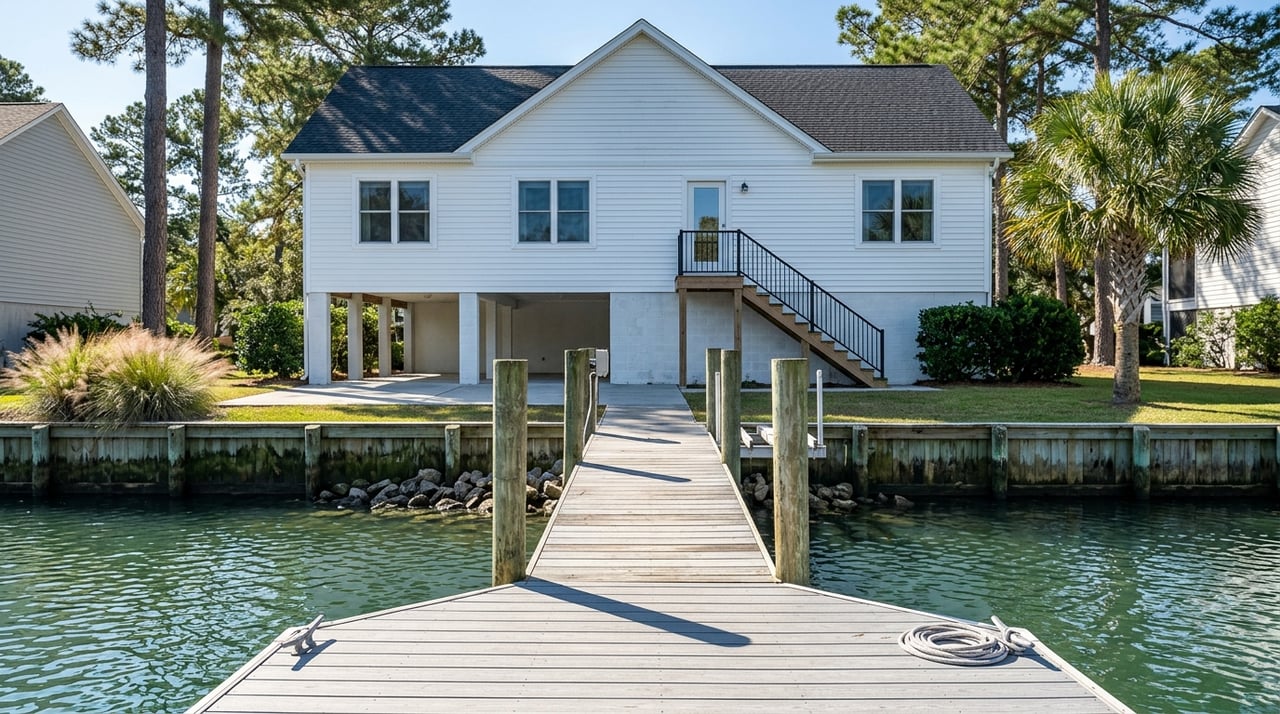
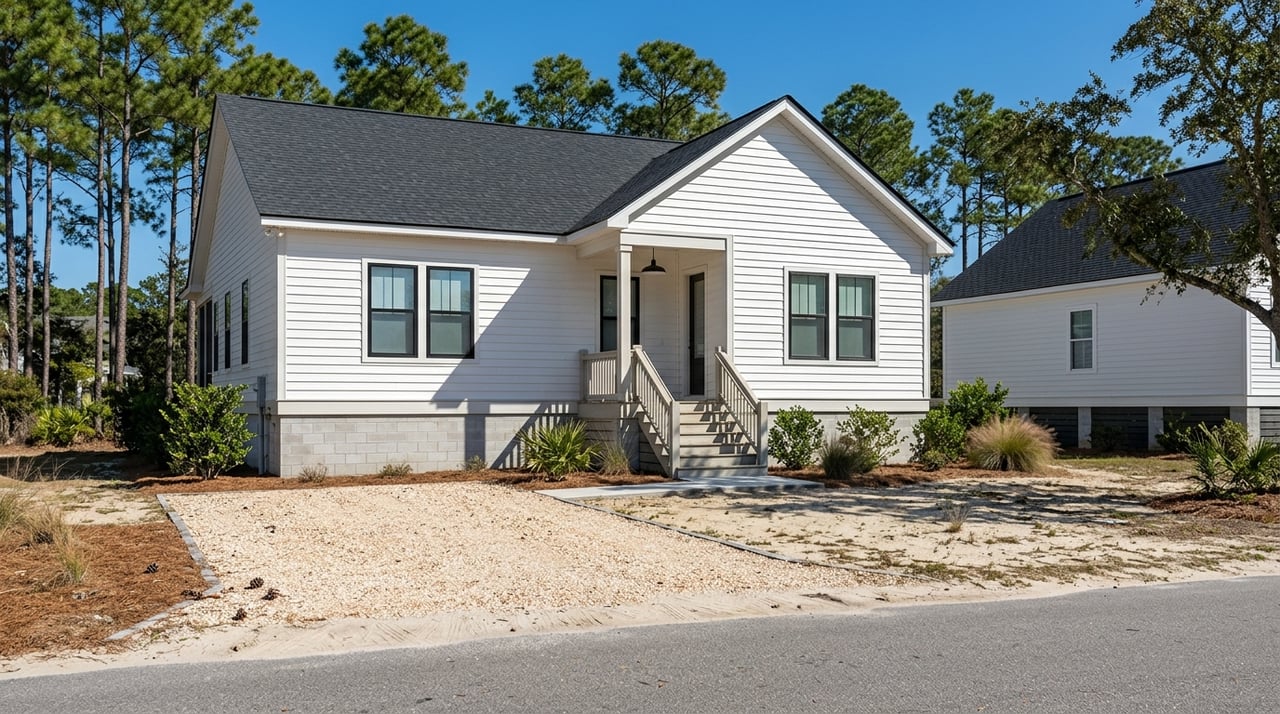
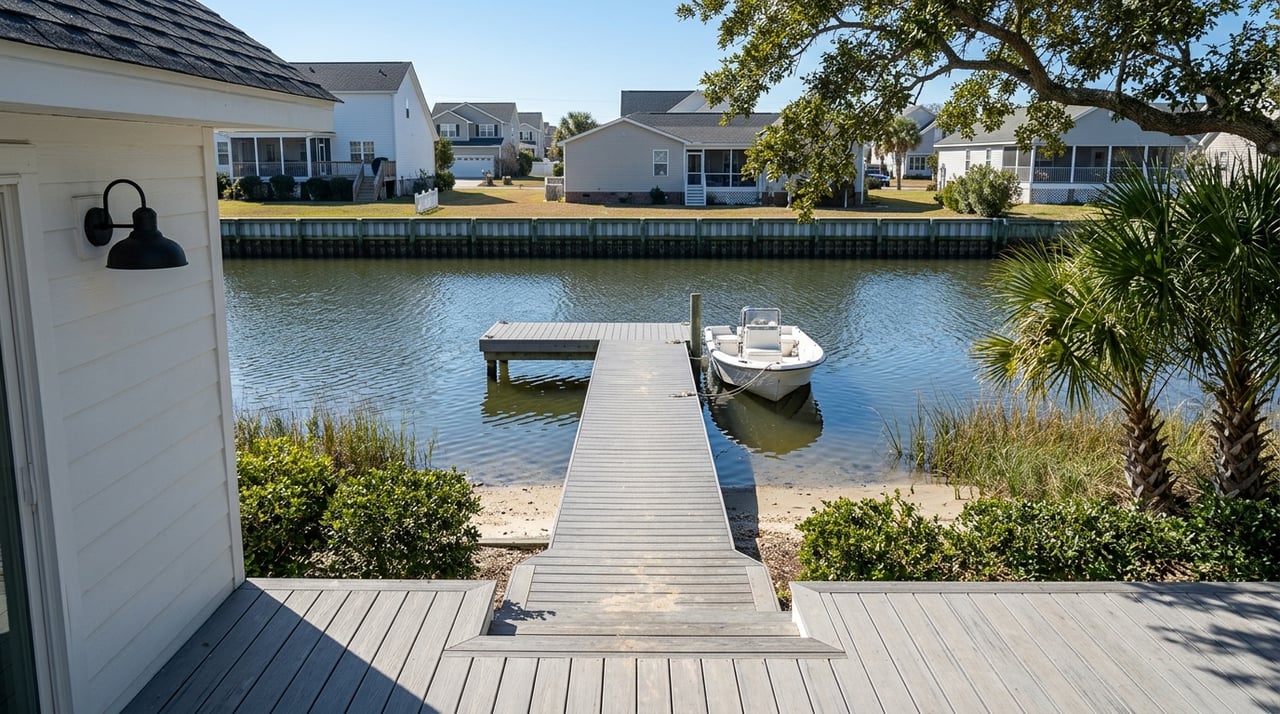
Island Life Real Estate is invested and committed to helping each of its clients find their dream and discover all island life has to offer.